

In 2026, the virtualization world is going through a major change. After Broadcom bought VMware, Broadcom rebuilt the license model from top to bottom. Now, ‘download VMware Workstation’ no longer means the old search for a complex license key. The new 26H1 release moved fully to 64-bit architecture. As a result, it now supports current operating systems such as Ubuntu 26.04 LTS.
So how will you access the files in this new era? Are the third-party sites you find safe? Which version should you choose? You will find answers to all these questions in this guide. I will not give you just a download link. I will also share my field experience and the behind-the-scenes information about the official sources.
First of all, let us make this clear: Workstation Pro is now fully free for personal, commercial, and educational use. You do not need to enter any license key. This is a significant opportunity for developers and students with a tight budget. However, this free model also has its own rules and considerations you need to watch.
In this article, I will cover the new features of the 26H1 release in detail. Additionally, I will walk through the process of getting it step by step through the Broadcom portal. On top of that, I will show you how to check file integrity.
Finally, I will explain the causes of the ‘Not Entitled’ error you may encounter in older versions. My goal is to protect you from needless clicks and security risks and direct you straight to the official source.
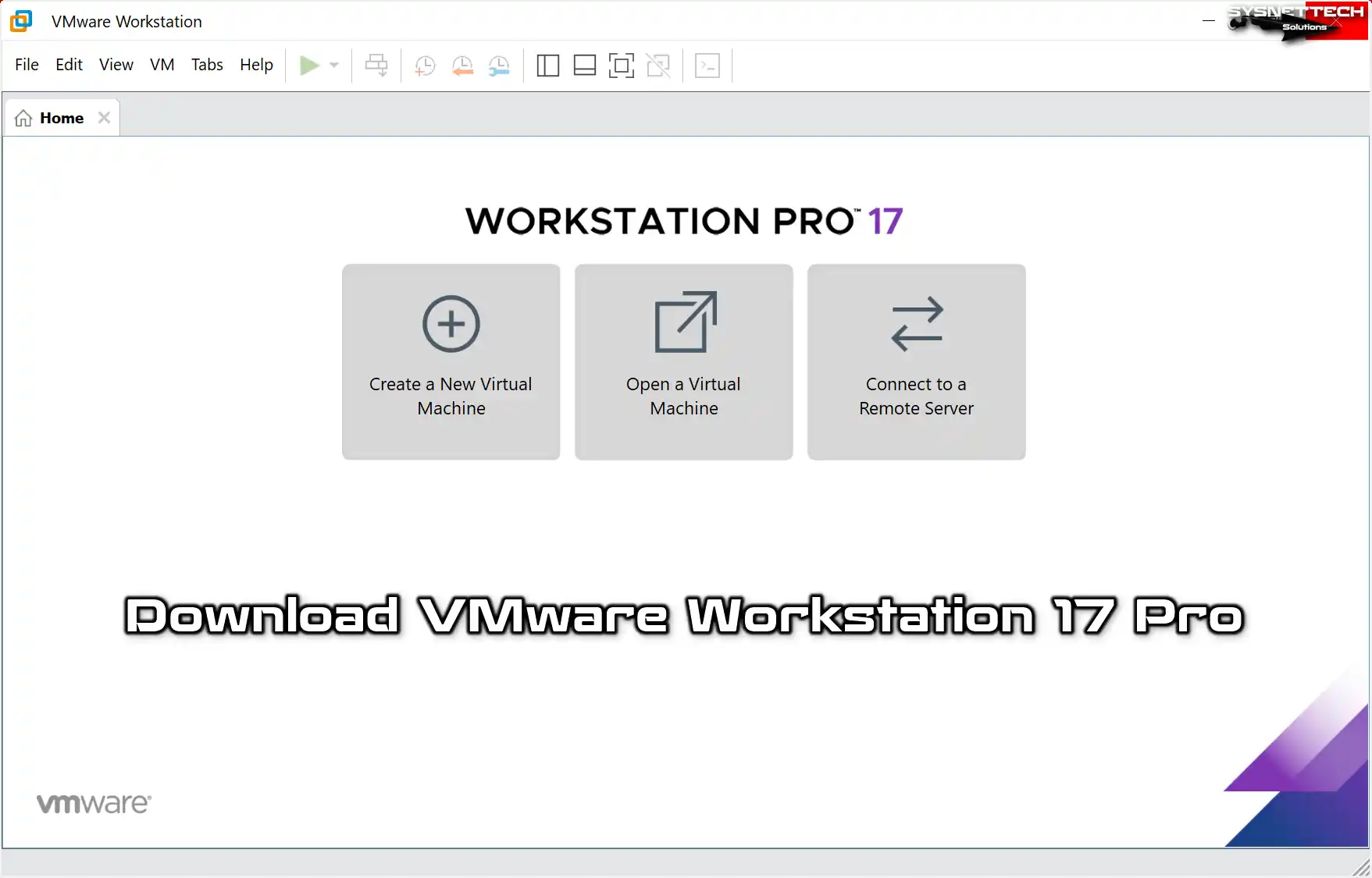
All VMware Workstation Version Download Links (Windows + Linux)
If you want to get the file right away, you can use the tables below. I listed Windows and Linux packages separately for each version. As a result, you can find the file that fits your operating system in seconds.
1. VMware Workstation 26H1
| Version | Windows (.exe) | Linux (.bundle) |
|---|---|---|
| 26H1u1 | Download | Download |
| 26H1 | Download | Download |
2. VMware Workstation 25H2
| Version | Windows (.exe) | Linux (.bundle) |
|---|---|---|
| 25H2u1 | Download | Download |
| 25H2 | Download | Download |
3. VMware Workstation 17
| Version | Windows (.exe) | Linux (.bundle) |
|---|---|---|
| 17.6.4 | Download | Download |
| 17.6.3 | Download | Download |
| 17.6.2 | Download | Download |
| 17.6.1 | Download | Download |
| 17.6.0 | Download | Download |
| 17.5.2 | Download | Download |
| 17.5.1 | Download | Download |
| 17.5.0 | Download | Download |
| 17.0.2 | Download | Download |
| 17.0.1 | Download | Download |
| 17.0.0 | Download | Download |
4. VMware Workstation 16
| Version | Windows (.exe) | Linux (.bundle) |
|---|---|---|
| 16.2.5 | Download | Download |
| 16.2.4 | Download | Download |
| 16.2.3 | Download | Download |
| 16.2.2 | Download | Download |
| 16.2.1 | Download | Download |
| 16.2.0 | Download | Download |
| 16.1.2 | Download | Download |
| 16.1.1 | Download | Download |
| 16.1.0 | Download | Download |
| 16.0.0 | Download | Download |
5. VMware Workstation 15
| Version | Windows (.exe) | Linux (.bundle) |
|---|---|---|
| 15.5.6 | Download | — |
| 15.5.5 | Download | — |
| 15.5.2 | Download | — |
| 15.5.1 | Download | — |
| 15.5.0 | Download | — |
| 15.1.0 | Download | — |
| 15.0.4 | Download | — |
| 15.0.3 | Download | — |
| 15.0.2 | Download | — |
| 15.0.1 | Download | — |
| 15.0.0 | Download | — |
6. VMware Workstation 14
| Version | Windows (.exe) | Linux (.bundle) |
|---|---|---|
| 14.1.8 | Download | — |
| 14.1.7 | Download | — |
| 14.1.6 | Download | — |
| 14.1.5 | Download | — |
| 14.1.4 | Download | — |
| 14.1.3 | Download | — |
| 14.1.2 | Download | — |
| 14.1.1 | Download | — |
| 14.1.0 | Download | — |
| 14.0.0 | Download | — |
7. VMware Workstation 12
| Version | Windows (.exe) | Linux (.bundle) |
|---|---|---|
| 12.5.9 | Download | — |
| 12.5.8 | Download | — |
| 12.5.7 | Download | — |
| 12.5.6 | Download | — |
| 12.5.5 | Download | — |
| 12.5.4 | Download | — |
| 12.5.3 | Download | — |
| 12.5.2 | Download | — |
| 12.5.1 | Download | — |
| 12.5.0 | Download | — |
| 12.1.1 | Download | — |
| 12.1.0 | Download | — |
| 12.0.1 | Download | — |
| 12.0.0 | Download | — |
8. VMware Workstation 11
| Version | Windows (.exe) | Linux (.bundle) |
|---|---|---|
| 11.1.4 | Download | — |
| 11.1.3 | Download | — |
| 11.1.2 | Download | — |
| 11.1.1 | Download | — |
| 11.1.0 | Download | — |
| 11.0.0 | Download | — |
9. VMware Workstation 10
| Version | Windows (.exe) | Linux (.bundle) |
|---|---|---|
| 10.0.7 | Download | — |
| 10.0.6 | Download | — |
| 10.0.5 | Download | — |
| 10.0.4 | Download | — |
| 10.0.3 | Download | — |
| 10.0.2 | Download | — |
| 10.0.1 | Download | — |
| 10.0.0 | Download | — |
10. VMware Workstation 9
| Version | Windows (.exe) | Linux (.bundle) |
|---|---|---|
| 9.0.4 | Download | — |
| 9.0.3 | Download | — |
| 9.0.2 | Download | — |
| 9.0.1 | Download | — |
| 9.0.0 | Download | — |
Top Features of VMware Workstation 26H1
VMware Workstation desktop software belongs to the Type 2 hypervisor class. In addition, it creates isolated virtual machine environments on top of your main operating system. In other words, you can run a different operating system in a window without rebooting your computer.
The 26H1 release, published in May 2026, marks the most mature point this platform has reached. Broadcom made a foundational modernization move in this release.
Above all, the full move to 64-bit architecture on Windows is a key milestone for performance and memory management. In addition, enterprise-level changes such as remote connection support for ARM-based ESX servers are included.
I first tested the 26H1 release in my own lab. Above all, I noticed the performance difference immediately in virtual machines where I set aside a large amount of RAM. The 64-bit move is not just a marketing slogan; a serious architecture upgrade underlies it.
You see this difference mainly on host systems with 32 GB of RAM or more. When you assign more than 16 GB of memory to virtual machines, the micro-stutters from older versions vanish in this release. On top of that, overall responsiveness improves.
26H1 Build 25388281: 64-Bit Move and ARM ESX Support
At the heart of the 26H1 release is build number 25388281. The biggest technical change in this build is full 64-bit application support for Windows.
In earlier releases, some components still ran as 32-bit processes. Now all binaries, libraries, and installer components compile and run as 64-bit processes.
In practice, this means you can address more memory. In addition, you use the CPU more efficiently. On top of that, the system remains stable in high-capacity cases such as 256 GB of RAM. Support for allocation of up to 16 CPU cores also gives a serious edge for heavy workloads.
- 64-bit Windows architecture: All installers and services run as 64-bit processes.
- ARM ESX remote connection: You can connect to ARM-based ESX hosts and manage basic VM tasks.
- Virtual machine timestamp: It records the creation and last power-on time of each VM. You see this information in folder tabs.
- Improved credential format: You can identify encrypted virtual machines and remote servers more easily in the credential manager.
- 3D graphics support: It offers hardware acceleration for graphics-heavy applications with DirectX 11 and OpenGL 4.3 APIs.
These changes bring significant benefits for developers and system administrators above all. For example, you see which virtual machine you created and when in a software test cycle. On top of that, this information can help you in version tracking.
New Supported Guest and Host Operating Systems (Ubuntu 26.04 LTS, Fedora 44)
As with every new release, 26H1 expands support for current operating systems. This time, a significant update is mainly on the Linux side.
If you use a current Linux distribution on your main operating system (host), this list concerns you. Also, if you use Linux as the operating system inside the virtual machine (guest), this list also concerns you directly.
Broadcom added these distributions to the supported guest operating systems list:
- Ubuntu 26.04 LTS (long-term support release)
- Fedora 43 and Fedora 44
- SUSE Linux Enterprise 16
- openSUSE 16.0
- FreeBSD 15.0 (guest system only)
Broadcom also supports most of the same distributions as host operating systems. In other words, you can install VMware Workstation 26H1 directly on a physical machine that runs Ubuntu 26.04 LTS.
Fedora 43, Fedora 44, SUSE Linux Enterprise 16 GA, and openSUSE 16.0 also get official host-side support.
You should know this if you work with penetration-testing distributions such as Kali Linux. This matters because 26H1 brings new kernel support. Therefore, you encounter fewer issues in VMware Tools setup.
Above all, distributions that use the 6.x kernel series had graphics driver conflicts in older versions. This build fixes those conflicts.
A wider supported system list matters above all for standardization in enterprise settings. You manage Windows and current Linux distributions through one hypervisor platform. Therefore, operational cost drops.
Also, Windows 11 guest systems run without issue. On top of that, enterprise operating systems such as Windows Server 2022 and 2025 also run without issue.
Is VMware Workstation Pro Free? Scope of the License Model
Let us get to the most frequently asked point: Is Workstation Pro really free? Short answer: Yes, but with some conditions.
Broadcom made an announcement in November 2024. With that announcement, it made Workstation Pro free for personal, commercial, and educational use. This means a full software version requires no license key.
However, the key point here is which versions the free model covers. According to Broadcom’s official information, the free license covers Workstation Pro 17.5.2 and later releases.
In other words, 26H1 falls within this scope. If you try to get a release older than 17.5.2, the portal gives you a ‘Not Entitled’ error. Older releases needed a commercial license.
Commercial use is also covered. The November 2024 change brought commercial use into the free scope as well. In other words, know this if you work at a company.
Do not worry if you use Workstation Pro for your work. In this case, you pay no license fee. However, keep this in mind for enterprise rollout and bulk transfer processes. Still, you should check the enterprise account setup in the Broadcom portal.
VMware Workstation Pro 26H1: Pro or Player?
When you reach the page for getting it, the first question in your mind may be: ‘Pro or Player?’ In the past, a clear split existed between these two products.
Player was a free version focused only on running virtual machines. Pro was a paid package that offered features such as snapshots, cloning, and advanced network management.
However, the license change in late 2024 changed this situation completely. Broadcom stopped developing Workstation Player as a separate product.
Now Broadcom merged all Player functions into the Pro release. In other words, you cannot find a separate package called VMware Workstation Player today. Pro covers all Player capabilities and adds much more on top.
This situation is actually a significant advantage for users. You meet your basic virtual machine needs with one setup file. In addition, you access advanced features with the same file.
Also, a free option for getting VMware Workstation Pro exists. Thanks to this option, advanced features that used to cost money are now open to everyone.
So what should you do if you still look for something under the ‘Player’ name? You can probably find this name in old release archives or third-party sites.
However, such packages are no longer current and carry security risks. Therefore, I advise you to always pick the latest Pro release.
Pro vs Player: Feature Comparison Table (Snapshot, Clone, Multiple VMs)
The table below clarifies the main gaps between the old Player release and the current Pro release. As you can see, Pro is superior in almost every category.
| Feature | VMware Workstation Player (Old) | VMware Workstation Pro 26H1 |
|---|---|---|
| Snapshot | No | Yes (unlimited snapshots) |
| Cloning | No | Yes (full and linked clone) |
| Multiple VM Management | Limited | Advanced (tabs, groups) |
| Remote Connection (ESX/ARM) | No | Yes |
| Advanced Network Management | Basic NAT | LAN Segment, Host-Only, Custom Network |
| 3D Graphics Support | DirectX 10 limited | DirectX 11, OpenGL 4.3 |
| Price | Was free | Free (Personal, Commercial, Education) |
| License Key | Not needed | Not needed (17.5.2 and later) |
As the table shows, the Pro release is now both free and much more capable. Above all, snapshot and clone features are essential for software testers and system administrators.
You take a snapshot before you make a change in a virtual machine. As a result, you roll back in seconds when a problem arises. In short, this saves considerable time.
Should You Get Player 26H1? Separate Product or Inside Pro?
The answer to this question is quite clear: No, a separate Player 26H1 release does not exist. Broadcom ended the Workstation Player product with its 2024 change and moved all its functions into the Pro release. In other words, the search for Player is just an effort to find an outdated product.
So why do you still see ‘Player 26H1’ titles on some sites? Two reasons exist. First, old content does not get updates. Second, deliberate misdirection.
Third-party download sites keep using old product names to pull search traffic. However, files you get from these sites will be old releases or carry security risks.
At this point, I want to remind you: Workstation Pro 26H1 already includes all Player functions. In fact, it offers more.
In other words, when you get Pro, you can do everything Player could do. On top of that, unlike old releases offered for free, Pro is now free for commercial use as well.
In short, you do not need to search for a separate list of VMware Player features. All those features have been merged into the 2026 Pro releases. You get just one product: Workstation Pro 26H1. This product more than meets the needs of both old Player users and old Pro users.
Download VMware Workstation Through the Broadcom Portal Step by Step
Now let us get to the most vital part: How will you get the file? The whole VMware Workstation acquisition flow now runs through the Broadcom Support Portal.
In other words, old vmware.com/download addresses send you here. It may look complex at first, but the process is quite simple when you follow the steps.
First of all, you need a Broadcom account. If you do not already have one, you can create one in a few minutes. Using real information during account creation matters.
The system runs an export compliance check. If you enter fake or missing information, it may not approve your request to get it.
Create a Broadcom Account and Verify Email (Short Note on Corporate Email Perception)
To go to the Broadcom Support Portal, open support.broadcom.com in your browser. You will see a ‘Register’ button in the top right corner. When you click it, a form appears. The form asks for your first name, last name, email address, and country.
At this point, let me give a small warning: Using a corporate email address can speed up your account approval.
Above all, an email from your company domain looks more trustworthy in Broadcom’s auto filters. However, you can also register with personal Gmail or Outlook addresses.
Still, access to some pages for getting it stays limited. Even so, you need to fill out the Trade Compliance form with care.
- Step 1: Go to
support.broadcom.comand click the ‘Register’ button. - Step 2: Enter your first name, last name, email, and country. Use real information.
- Step 3: Click the verification link sent to your email. This step activates your account.
- Step 4: Fill out the Trade Compliance form. This form asks which country you are in and for what purpose you will use the software.
- Step 5: After you submit the form, wait for your account approval. Approval usually arrives within a few hours.
You will get an email notice when your account is approved. Now you can log in and access the page for getting it. If approval takes too long, do not hesitate to contact Broadcom customer service.
My Downloads Tab and the VMware Workstation Pro Download Button
After you log in to your account, a dashboard appears. From here, you need to go to the ‘My Downloads’ tab. You can find this tab in the left menu or top bar. When you click it, a page opens that lists licensed and free software assigned to you.
On this page, you see the ‘Free Software Downloads’ section. When you click it, you see all products Broadcom offers for free.
Find the ‘VMware Workstation Pro’ option in the list. When you click it, options for different releases and operating systems open.
- Step 1: Log in to the Broadcom portal.
- Step 2: Click the ‘My Downloads’ tab.
- Step 3: Click the ‘Free Software Downloads available HERE’ link.
- Step 4: Type ‘Workstation’ in the search bar or find ‘VMware Workstation Pro’ in the list.
- Step 5: Expand the ‘VMware Workstation Pro 26H1 for Windows’ or ‘for Linux’ option.
- Step 6: Pick the ’26H1′ build from the release list that appears.
- Step 7: Check the ‘Terms and Conditions’ box. This makes the download button active.
- Step 8: Click the download button and save the file to your computer.
The transfer can take a few minutes based on file size and your internet speed. An .exe installer is available for Windows, and a .bundle package for Linux. Both files are full versions and need no license key.
If the Download Button Stays Inactive: Checkbox and Browser Check
Sometimes the download button may not activate even when you complete all steps correctly. Several common causes exist for this annoying issue. The first thing you need to check is whether the ‘Terms and Conditions’ box is really checked. Sometimes the browser refreshes the page. After that, this box resets itself to off.
A browser issue is the second likely cause. Above all, ad blockers and script blockers can break the JavaScript-based transfer system on the Broadcom portal. In this case, I advise you to use your browser’s private mode (incognito) or try a different browser.
- Check the checkbox: Make sure the ‘I agree to the Terms and Conditions’ box is checked.
- Disable browser extensions: Turn off ad-blocker and script-blocker add-ons for a short time.
- Try private mode: Log in through your browser’s private window and try the transfer again.
- Use a different browser: Try other browsers such as Chrome, Firefox, or Edge.
- Clear the cache: Clear the browser cache and cookies, then refresh the page.
- Do not use a VPN: In some cases, a VPN connection can block access to the transfer server.
If the issue continues despite all these steps, the best move is to contact the Broadcom support team. However, remember that such issues often clear up in a few minutes.
Account Verification Pending Error: When and How to Fix It
One of the most common errors you can encounter on the Broadcom portal is the ‘Account Verification Pending’ message. This error means your account is not fully approved yet. Usually, new users encounter this issue.
Several reasons exist for this error. The most common reason is that users fill out the Trade Compliance form incompletely or incorrectly. If the address, country, and purpose of use on the form do not match, the system puts the account into a ‘pending’ state on its own.
Also, you see this error if you created an account with the same email before. You also see this error if you did not finish email verification.
How to Fix and Prevent the Error
Follow these steps for a fix: First of all, check your email inbox. Broadcom may have sent an email with a verification link. Click this link to activate your account.
If the email did not arrive, check the spam folder. If it is still missing, use the ‘Resend Verification Email’ option through the portal.
But, if email verification is done and you still get the same error, you may need to edit the Trade Compliance form again. Open the form and make sure all fields have complete and accurate information.
Above all, you can type ‘Individual’ or ‘Personal’ in the ‘Company Name’ field for personal use. However, do not leave this field blank.
The best way to prevent this error is to enter all information completely and accurately during registration. Also, avoid creating more than one account with the same email. The Broadcom system can flag duplicate accounts on its own.
After Download: VMware Workstation File Size, Checksum Check, and Setup
You saved the file. So how will you make sure the file you got is correct and not corrupted?
At this point, the checksum check comes into play. This step is critical above all for users with high security awareness.
The Windows installer for VMware Workstation 26H1 is about 274 MB. In contrast, the Linux bundle package is about 325 MB.
However, these sizes can vary slightly based on release updates. What matters is that the name and size of the file you got match the official source.
26H1 File Size and Build Number: Is the File You Got Correct?
The table below shows the basic file information for the 26H1 release. You can compare this information on the page for getting it and make sure you obtained the right file.
| File Name | Operating System | Size (about) | Build Number |
|---|---|---|---|
VMware-Workstation-Full-26H1-25388281.exe | Windows (64-bit) | 274.34 MB | 25388281 |
VMware-Workstation-Full-26H1-25388281.x86_64.bundle | Linux (64-bit) | 325.03 MB | 25388281 |
If the name of the file you got is different or its size is significantly different, you may have obtained the wrong release. For example, the 26H1u1 update (build 25688693) is a separate package and has a different size. Make sure you obtained 26H1 as the main release.
MD5 and SHA256 Check: ‘certutil’ on Windows, ‘sha256sum’ on Linux
You do not need any extra software to run a checksum check. Windows and Linux operating systems offer built-in tools for this job. You can easily check the integrity of your file by following the steps below.
MD5 or SHA256 check on Windows:
- Step 1: Open Command Prompt (cmd) as administrator.
- Step 2: Go to the folder that holds your file. For example:
cd C:\\Users\\User\\Downloads - Step 3: Run this command:
certutil -hashfile VMware-Workstation-Full-26H1-25388281.exe SHA256 - Step 4: Compare the hash value on screen with the one on the Broadcom site.
- Step 5: For MD5, repeat the same command with the
MD5parameter.
SHA256 check on Linux:
- Step 1: Open a terminal.
- Step 2: Go to the directory that holds your bundle file.
- Step 3: Run this command:
sha256sum VMware-Workstation-Full-26H1-25388281.x86_64.bundle - Step 4: Compare the result with the official hash value.
If the values match, your file is intact and correct. If they do not match, you need to delete the file and get it again. I strongly advise you not to skip this step. Above all, if you obtained the file from third-party sites, the checksum check is vital.
‘Personal Use’ Choice During Setup and No License Key Needed
After you save and check the file, you can move to the setup stage. Start setup by double-clicking the exe file on Windows, or by running the sh VMware-Workstation-Full-26H1-25388281.x86_64.bundle command in a terminal on Linux.
The setup wizard guides you step by step. Do not panic when a screen asks for a license key.
On this screen, check the ‘I want to install VMware Workstation Pro for personal use’ option. This option installs the software for personal use. Leave the license key field blank and click the ‘Next’ button.
- Step 1: Run the installer.
- Step 2: Follow the prompts in the setup wizard.
- Step 3: Check the ‘Personal Use’ option on the license key screen.
- Step 4: Leave the license key field blank.
- Step 5: Wait for setup to finish.
- Step 6: Start the software after setup ends.
When setup finishes, you do not need to run any activation step. The software will be ready to run with all features.
If you get an error during setup, first check whether files left over from older releases conflict. If an old VMware release is installed, I advise you to remove it before setup.
chmod +x VMware-Workstation-Full-26H1-25388281.x86_64.bundle command. Then start setup with sudo sh.VMware Workstation System Requirements and Supported Operating Systems
Before you perform a VMware Workstation setup, check whether your computer can handle this software.
Above all, the 64-bit move and new features highlight minimum requirements. Luckily, the requirements are reasonable and most modern computers meet them with ease.
However, the critical point you need to watch is hardware virtualization support. Your CPU must support VT-x (Intel) or AMD-V (AMD). Also, you must enable this feature in BIOS/UEFI settings. Otherwise, virtual machines do not run well.
Minimum Hardware: 64-bit CPU, VT-x/AMD-V, 4 GB RAM, and Disk Space
The table below sums up the minimum and recommended hardware requirements for the 26H1 release. These values are based on Broadcom’s official documentation.
| Hardware Component | Minimum | Recommended |
|---|---|---|
| Processor (CPU) | 64-bit x86 CPU (1.3 GHz+) | 2 GHz+ dual-core |
| Memory (RAM) | 4 GB | 8 GB or more |
| Disk Space | 1 GB free space | 5 GB+ SSD |
| Virtualization Support | VT-x / AMD-V (enabled in BIOS) | VT-x / AMD-V + EPT/NPT |
| Graphics Card | DirectX 11 compatible | DirectX 11 + 1 GB VRAM |
| Operating System | Windows 10 64-bit / Linux | Windows 11 64-bit / Ubuntu 26.04 |
The values in this table are enough for basic use. However, set aside more RAM and CPU cores for heavy workloads. On top of that, apply the same approach for multiple virtual machines or 3D graphics applications. Above all, 256 GB RAM support is a key advantage for high-end workstations.
For heavy workloads, you should adjust settings to improve virtual disk read and write speed. The key detail here is choosing the single-file disk format. Split disk files cause needless delays on your main drive. I increased read speeds significantly with NVMe-based virtual controllers.
NOTE: For storage that fills up over time, apply the steps to expand virtual disk size. One of the most common mistakes is trying to grow the disk while a snapshot exists.
Supported Host and Guest Operating Systems: Ubuntu 26.04, Fedora 44, FreeBSD 15
The 26H1 release provides support for a wide range. This range includes the main operating system (host). In addition, the operating system inside the virtual machine (guest) falls within this range. Here is the list of officially supported systems:
Supported Guest Operating Systems:
- Windows: Windows 11, Windows 10, Windows Server 2022, Windows Server 2025
- Linux: The 26H1 release supports Ubuntu 26.04 LTS and Ubuntu 24.04 LTS. Also, it supports Fedora 43, Fedora 44, and Debian 13. On top of that, Linux Mint 22 and Kali Linux 2026 are on this list. Moreover, it supports Red Hat Enterprise Linux 10 and CentOS Stream 10. Finally, it supports SUSE Linux Enterprise 16 and openSUSE 16.0.
- Other: FreeBSD 15.0, macOS (unofficial support)
Supported Host Operating Systems:
- Windows 11 (64-bit)
- Windows 10 (64-bit)
- Ubuntu 26.04 LTS
- Ubuntu 24.04 LTS
- Fedora 43
- Fedora 44
- SUSE Linux Enterprise 16 GA
- openSUSE 16.0
As you can see, there is broad support on the Linux side. Broadcom supports Ubuntu 26.04 LTS and Fedora 44. On top of that, you can run these releases as both host and guest.
Therefore, this support gives significant flexibility to developers. Also, security-focused distributions such as Kali Linux run without issue as guest systems.
Extra Information: Normally, VMware does not officially support macOS. The fact is that the VMware Unlocker tool bypasses this block. macOS virtual machine setup makes it easier to run your Xcode tests on Windows.
Get an Old VMware Workstation Release: Archive, Version History, and the ‘Not Entitled’ Warning
Sometimes you may need an old release instead of the current one. Maybe you encounter a compatibility issue with old hardware. Or a certain application runs only on an old release.
In this case, you search for an old VMware Workstation release. However, a critical rule applies here: the 17.5.2 threshold.
Broadcom’s free license policy covers only Workstation Pro 17.5.2 and later releases. If you try to get a build older than this release, the portal gives you a ‘Not Entitled’ error.
Older releases needed a commercial license. All releases you see in the tables at the top of the article exist as links. Still, you need to keep this threshold in mind when you get them through the official Broadcom portal.
17.5.2 Threshold: Which Old Releases Are Free, Which Give ‘Not Entitled’?
The table below clarifies which releases you can get for free through the official portal and which need a license. This table serves as a road map for those in search of old releases.
| Release | Free Through Official Portal? | Notes |
|---|---|---|
| 26H1 (Build 25388281) | Yes | Latest release, 64-bit, free |
| 25H2 | Yes | Free, release prior to 26H1 |
| 17.6.x | Yes | Free, final updates of the 17.x series |
| 17.5.2 | Yes | Threshold release where the free license starts |
| 17.5.1 and earlier | No | Gives ‘Not Entitled’ error, needs a license |
| 16.x and earlier | No | Old licensed releases, not free |
As you can see from this table, 17.5.2 is a turning point. The free license model applies from this release onward.
If you try to get 17.5.1 or an older release through the official portal, the system rejects your request.
In this case, you can do two things: Either use 17.5.2 or later, or have a valid license for the old release. The community archive tables at the top of the article offer an alternative for those who want to bypass this limit. However, you must run a checksum check.
26H1 or 25H2? Which Release Should I Get?
When the current release is 26H1, why would you still want to get 25H2? Several valid answers exist. Maybe Broadcom removed a certain feature from 25H2 in 26H1.
Or you may have old hardware that is incompatible with 26H1. However, as a general rule, I advise you to always pick the latest release.
26H1 includes key security patches and performance gains over 25H2. Above all, the 64-bit move gives a significant advantage on systems with large memory. Also, new guest operating system support matters for future-proof compatibility.
- Pick 26H1 if: You need current security patches, want the 64-bit performance advantage, and will work with new Linux distributions.
- Pick 25H2 if: You have old hardware that is incompatible with 26H1, or a certain application runs only on 25H2.
- Pick 17.6.x if: You prefer the last release of the 17.x series and do not need the new features in 26H1.
However, remember that old releases no longer get updates. This can lead to security gaps over time. Therefore, a move to 26H1 is inevitable in the long run.
Are Third-Party Archives (archive.org, GitHub) Safe? Checksum Warning
Outside the official source, you can also find VMware Workstation files on platforms such as archive.org or GitHub.
All version tables at the top of the article are also based on a GitHub community archive. So are these sources safe? Short answer: Risky. The long answer is more complex.
archive.org works like a library that offers an archived copy of the internet. Files found here may come from the original source. However, other files may also slip in.
The state of GitHub repositories is even more complex. Some users can repackage and share official installers. Malware may be added inside these packages.
However, as a practical alternative, some community-maintained GitHub repositories archive all VMware Workstation releases.
The 201853910/VMwareWorkstation repository you see in the tables at the top of the article hosts the original Broadcom files as-is and gives fast access to version history. Still, remember that this repository is not an official Broadcom source.
If you must obtain the file from a third-party source, always run a checksum check. Compare the MD5 or SHA256 value of the file with the value on Broadcom’s official site. If there is no match, never run the file.
In short, think of third-party archives only as a last resort. Never run a file without a checksum check. Your security is worth more than a few minutes of transfer time.
Further Reading Sources About VMware Virtualization Software
If you want to explore what I covered in this guide in more depth, you can look at these official and academic sources:
- Broadcom Official 26H1 Release Notes: A primary source for all technical details and known issues in build 25388281.
- Broadcom Free License and Download Knowledge Base: Official notes on the license model, account creation, and transfer steps.
- VMware Workstation Version History (Wikipedia): A chronological list of all releases from 17.0 to 26H1 and summaries of technical changes.
FAQ About Getting VMware Workstation and Licensing
Do I need a license key to download VMware Workstation?
Can I download VMware Workstation without a Broadcom account?
How big is the VMware Workstation Pro file?
Is the latest VMware release compatible with Windows 11?
What is the gap between Pro and Player?
How do I check file integrity after I download 26H1?
certutil -hashfile filename.exe SHA256.a0ef908...586737f.sha256sum filename.bundle command does the same job. If you want to use MD5, certutil -hashfile filename.exe MD5 also works.Are 2026 releases free for commercial use?
Can I use Gmail when I create a Broadcom account?
How do I fix the ‘Account verification is pending’ error?
What should I do if a license screen appears in the VMware 26H1 wizard?
Conclusion: Safe VMware Download Checklist
Apply the checklist below step by step to complete the process of getting VMware Workstation in a safe and smooth way:
- Use the official source: Get it only from
support.broadcom.com. - Verify your account: Make sure your Broadcom account is approved and the Trade Compliance form is complete.
- Pick the right release: Get 26H1 build 25388281. Remember the ‘Not Entitled’ risk for old releases.
- Check the file size: Confirm about 274 MB for Windows and about 325 MB for Linux.
- Run a checksum check: Compare the MD5 or SHA256 value with the official site.
- Pick ‘Personal Use’ during setup: Leave the license key field blank.
- Stay current: Check the Broadcom portal regularly for new security patches.
When you follow these steps, a safe and fast virtualization experience awaits you. Now you will encounter no uncertainty in the process of getting VMware Workstation!

4 People Shared Their Experience
ReagrdsThank you so much, I’m trying to use GNS3 with some others Virtual machines, i’m only at beginning of my studies, it is not very easy for me to understand all toghether virrtualisation and GNS3, if you could give me some informations how to uase these tools it’ll be greatelly appreciate, or if you know a link where they give actually understandable courses about all these softwares, could you email me please, it’ll be vcery hellpfull for me because I have very big problems to understand all these machine runnings toghether…Best
Hi,
Can i get the gns3 vm image for the practice?
what is the cd key of Vmware Workstation 15.1.0 if i want to inatll it on linux ..?
actully this site was not working then how to i download the vmware i need ??? how i can do …….