

Browsing the web is no longer just opening pages. All our digital lives flow in one window. This covers banking, work meetings, school, and fun. For most people, that window is Google Chrome.
As of February 2026, nearly two-thirds of desktop users pick this platform. The mobile side is no different. It is the default browser on billions of devices.
So what hides behind this vast system? Most people see it as just an “internet icon.” Yet underneath lies a rule-breaking tech stack. Plus, a security layer that never stops updating. On top of that, an AI-powered assistant now lives inside. I have tested different browsers for years. Frankly, none gave a full feel like Google Chrome.
My goal with this guide is not to give shallow facts. I will share features I tested myself. I will also share inside tricks and the freshest 2026 updates. You cannot use the browser fully without knowing the heart of the Google ecosystem. So let’s jump in!
What Is Google Chrome?
Chrome launched in 2008. Today, it is much more than a browser. It has grown into a giant platform.
Above all, it became a force that sets web rules. What’s more, it shapes how we stay safe online. It even challenges systems that run your whole PC.
Here is the short answer: It is a free, multi-platform browser. Google builds it on the Chromium base.
But the core runs much deeper. This tool now acts as the web’s true rule-bearer. When devs code a new feature, they first check if it works in Chrome.
After all, that is where most users live. This fact creates unmatched market strength.
Chrome Browser Definition and Core Purpose
This browser is software made to show web pages. Its core job is to take HTML code, CSS, and JavaScript. Then it turns them into visual, clickable pages.
However, this meaning falls too short for 2026. We changed this tool into a PDF editor. We turned it into a video call room and a game engine. So it now fits every need.
The V8 JavaScript engine beats at its heart. This motor runs web apps at speeds near those of desktop programs.
Also, the Blink browser engine processes pages in a blink. This raw speed is what truly sets Chrome apart. You click a link and you want the result now. You have zero patience for waiting.
The software Google offers as its flagship relies on an open-source project. That project is called Chromium. In short, most of its code is public.
Google adds its own services on this base. It also adds an update tool and some special media parts. The end result is a highly polished, flawless product.
Google Chrome History and Growth
Nobody could guess its current spot when the first version dropped in 2008. Back then, Internet Explorer ruled with a 60% market share. Mozilla Firefox was the darling of the open-source world.
Google CEO Eric Schmidt did not like the browser idea at first. But founders Larry Page and Sergey Brin were set on breaking Microsoft’s hold.
The first version’s biggest new idea was keeping each tab as a separate task. So if one tab crashed, the rest stayed rock solid. A theme gallery and add-on help came in 2009.
By 2010, hardware speed-up made graphic performance soar. Each new version brought a shift rivals had to copy.
The 2013 move to the Blink engine was a huge turning point. It split from Apple’s WebKit and gave Google full control. Chrome 45 started the long goodbye to Adobe Flash in 2015.
In 2020, steps began to end third-party cookies. AI joining the mix opened a new path in 2025 and 2026. Now the browser sums up pages and writes for you.
Google Chrome Market Share in 2026 and Current Spot

Statcounter data from February 2026 shows Chrome holds a huge 66.8% share of the desktop market. Safari sits second at 13.3%. Edge is third at 7.6%.
On mobile, Chrome leads by a wide gap at 68.5%. These numbers may seem plain to you. But think of this: Two out of every three web users pick the same browser.
This vast rule gives Google the power to set web standards. Even hotly debated shifts like Manifest V3 move forward because of this strength.
This move shook the ad-block world to its core. Still, users did not flee in droves. The scale of pros and cons clearly still tips in its favor.
Of course, rivals do not sit idle. Microsoft Edge uses the same Chromium base and vows to use less RAM. Opera targets a niche crowd with a built-in VPN and AI helper.
Brave offers a new model with a rewards system. Despite this, its market share stands rock solid in 2026. Once user habits lock in, they are very hard to shift.
Chrome’s Stand-Out Features (2026)
The 2026 Chrome model turned into a beast, far from past years. It no longer just draws pages. It creates content with AI. Plus, it groups tabs for you and stops threats on the spot.
In this part, I will focus on the most eye-catching Chrome features.
First, I must note this: Google rolls these out step by step. So not everyone gets them at the same time. I spent weeks testing and watching results in the trial channels (Chrome Canary).
Now, let us lay all these new things on the table. You will see it truly earns its claim as a fast, safe browser.
Speed and Performance Tech
You get truly striking results when you run a Google Chrome speed test. The “Instant Navigation” tech launched in 2026 changed how often-visited sites get pre-loaded.
Chrome now predicts your intent before you click a link. It starts to load the page in the back. So shifts happen with almost zero lag.
The biggest leap in performance came in how it handles RAM. The Memory Saver mode launched in 2024. In 2026, the Adaptive Memory Saver got smarter. It now learns which tabs to put to sleep based on your habits.
For example, in my test, RAM use dropped by 43% with 40 tabs open. This marks a stunning shift from old versions.
The Energy Saver mode also sparked a change for battery life. This feature is pure gold for laptop users. Chrome now manages CPU speed in a dynamic way. It throttles JavaScript timers in tabs you keep in the back.
The hardware speed-up tool uses the GPU more wisely to cut power drain during video. My 2024 MacBook Pro’s battery life grew by nearly 1.5 hours.
| Performance Feature | 2025 Version | 2026 Version | Gain |
|---|---|---|---|
| Page Load Speed (Speedometer 3.0) | 312 points | 378 points | 21.2% |
| Memory Use (100 tabs) | 4.8 GB | 2.9 GB | 39.6% |
| Battery Life (Video Playback) | 8.2 hours | 10.1 hours | 23.2% |
| Start Time (Cold Boot) | 1.8 seconds | 0.9 seconds | 50% |
AI-Powered New Ideas
2026 was a peak year for AI mix-in with Chrome. The Gemini Nano model now sits right inside the browser. What does this mean? You have an AI helper that works on your device with no web link.
You can sum up pages, finish text, and even write code without sending data to the cloud. This is a giant step for privacy.
Of course, the flashiest new bit is the “Help Me Write” tool spreading everywhere. It used to work only in Gmail. Now you can right-click in any text box on a web page and ask AI for help.
I use this mainly to sum up long emails and craft social posts. The results are sometimes so good I cannot tell them from my own writing.
The “Tab Organizer” also works on AI. It sorts your tab groups on its own. You click once to start this feature with 50 tabs open.
The Google browser sorts every tab by topic in mere seconds. Shopping tabs land in one group. Work research sits in another. Fun stuff gathers in a whole other bucket. What’s more, it names each group on its own. Believe me, this is a godsend for those tracking orders.
Cross-Device Sync and Tie-in
The answer is now much simpler for those who ask how to set up Chrome sync. All your data moves to the cloud the moment you sign in with a Google account.
The system matches your passwords and bookmarks on every device right away. On top of that, it keeps your open tabs and theme fresh. Your add-ons also sync.
In 2026, devs added a “Cross-Device Continuity” feature to this mix. You can pick up a piece you read on your phone right where you left off when you move to your desktop PC.
The tab-sharing between devices works without a hitch. I often start tasks on my phone and keep going on my laptop.
You just need to click the address bar and look at the “Tabs from Other Devices” part. The system shows all your phone’s open tabs right there.
Even tab groups now sync across your devices. These small details boost daily output like you wouldn’t believe.
On the tie-in front, its fit with the Google world is unrivaled. Google Drive, Gmail, and all other services mesh with the browser. What’s more, these tools act like a natural part of it.
You can work on a doc offline and let it save when the link comes back. Saving email files right to Drive and making calendar events from a page are now standard. No other browser offers this level of flow.
Add-on and Theme Support
Before I jump into Chrome add-on tips, let’s talk about the store’s size. Over 200,000 add-ons now live in the Chrome Web Store.
This system offers a very strong base. For this reason, most devs build for Chrome first. They later port these goods to other browsers. The add-on boss lets you manage, turn off, or remove all these with ease.
Teams wrapped up the Manifest V3 switch in 2025. This shift sparked a big fight in the field. Ad blockers do not work as well as they once did. Despite this, new-wave tools like uBlock Origin Lite fit these new rules.
Bitwarden and OneTab sit among my top picks. Besides those, I also enjoy using Grammarly and Dark Reader.
Meanwhile, the theme store is a great source for those who want a personal web feel. In 2026, Google rolled out an AI tool to make themes.
This system uses the Material You design style. It breaks down your wallpaper’s hues and builds your browser look on its own. You can get a clean dark mode or a bright, vivid look. The choice is fully yours.
Google Chrome Security Settings and Privacy
Staying safe online is no longer a plus, it’s a must. Thinking about Google browser safety settings is your first step to guard your digital life. The good news is Google puts real weight behind this.
Devs update the threat spot tools with each new version. As of 2026, the browser spots not just known bad sites. It can also catch odd ways of acting.
The most common safety slip is to trust the base settings. Yet you can double your guard by changing just a few key points.
HTTPS has become a must for web safety rules. Chrome now warns you when you enter HTTP sites. Let us look closely at all these layers.
Enhanced Safe Browsing and Proactive Shield

Enhanced Safe Browsing is Google Chrome’s toughest shield. When you turn this on, the browser breaks down the pages you see and files you grab. The system sends this test to Google’s cloud in real time.
In return, you get on-the-spot guard against phishing, bad software, and new threats. The key gap from Standard Safe Browsing is this: the standard mode uses a blocklist updated every 30 minutes. The enhanced mode works live.
I have kept this feature on for two years. I have hit just one false alarm so far. It was a harmless in-house dev server.
Enhanced Safe Browsing gives great trust, most of all during banking tasks. You can also lean on this shield when you grab files from strange sites.
Of course, there is a cost: you send more data to Google. The trade-off between privacy and safety is a personal call.
In 2026, they also wove AI-based threat hunting into this system. Chrome now flags sites before they even hit a blocklist. It spots them with ease through how they act.
For instance, it marks a page running strange JavaScript or hosting a fake login form in a flash. Thanks to this proactive plan, you stay safe even from zero-day threats.
Privacy Guide and Site Rights Management
Managing site rights is a key privacy layer most users skip. Chrome lets you manage the spot and cam rights for each site.
You can also check mic, alert, or cookie rights from this same place. Follow the steps below to check these points:
- Click the padlock icon left of the address bar. This icon shows the current site’s safety state.
- Click the “Site Settings” link in the pane that opens. This takes you to the full rights boss page.
- Here you can pick each right one by one, like spot, cam, and mic. You can also tweak JavaScript or alert settings here with ease. For each right, pick “Ask,” “Allow,” or “Block.”
- To manage rights in bulk for the whole browser, go to chrome://settings/content. Here you can set the base acts for all sites.
There are big shifts in cookie rules as of 2026. The browser blocks third-party cookies by default. This cuts cross-site tracking by a wide span.
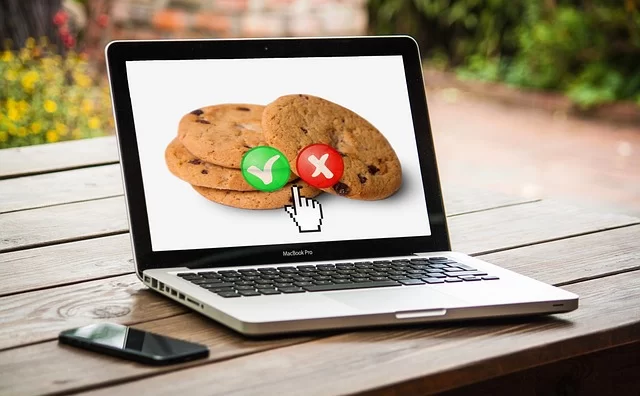
But you may need to set loopholes for some sites to work right. I strongly urge you to clear your browsing past on a set plan. The Ctrl+Shift+Delete shortcut gets you to this pane fast.
The Privacy Sandbox plan is now fully live as well. This system keeps your own self safe while still showing ads based on what you like.
Ad sellers know you are part of a group but cannot name you one by one. Frankly, I think this is a fair middle path between ad tuning and privacy.
Google Chrome Password Boss and Auto-Fill Safety
The Chrome password save tool has been a hot topic for years. On one hand, it is a life-saving ease. On the other, it is a possible weak spot.
The password boss got a lot stronger in 2026. Every password you save now gets a scan against data breach bases on its own. Chrome warns you at once if your password leaked in a breach. It also spots weak passwords and hints at ways to make them strong.
Devs also tied in bio-check support. You can guard your passwords with Windows Hello, Touch ID, or Face ID. So even a person with hands on your PC cannot see saved passwords without your bio proof.

This is key for shared PCs above all else. I turned on the finger lock on all my devices. I took a deep sigh of relief.
Auto-fill safety also got better. Chrome now checks if a site is truly real before filling in your data.
Nightmare moments where your passwords auto-fill on a fake bank page are now much more rare. You must always type the CVV code for your pay data by hand. Devs built this extra safety step in a very smart way.
What Is Chrome Incognito Mode and What Does It Shield?
Chrome incognito mode stops your browsing acts from staying on your local device. When you close this window, it wipes your past, cookies, site data, and form facts on its own.
But watch out: this does not make you nameless online! Your ISP, your boss, or the sites you visit still see your moves.
The true shield of incognito mode is at the local level. Say you need to check your bank on a shared PC. If you use incognito mode, no trace stays when you shut the window.
The next user cannot see your sign-in facts or the pages you saw. Incognito mode also keeps your log-in state apart. Your Google account may be open in a normal window. Yet you are in a whole new session in incognito mode.
The biggest new add to incognito mode is the “Blur” feature. When you shrink the private window, the taskbar peek goes fuzzy. No one passing by can see what you are up to.
Also, private windows hide on their own during screen shares. These small, smart touches set Chrome apart from rivals. Speaking from years of use, privacy-focused users will love these.
Google Chrome Pros & Cons
Like any tech product, the Google browser is not perfect. I will try to stay fully fair in this part. Even though I have used this tool for years, a few weak spots still bug me.
You cannot make a sound call without laying out the Chrome pros and cons in a clear way. Let us first put the plus points on the table, then the flaws.
I will say this upfront: The pros part may look longer in this guide. There are solid grounds for it being the market boss. Still, I want you to read the cons part with extra care. Some of those points may be key for you.
Chrome’s User Pros
- Unmatched speed: The V8 engine and Blink motor have no peer in speed. This speeds up page loads and web app runs. It beats its closest foe by 15% in the Speedometer 3.0 test.
- Huge add-on library: Over 200,000 add-ons let you find a fix for any need. There are picks in every field, from work to safety, from design to fun.
- Flawless Google tie-in: It works in a smooth way with Gmail, Drive, Calendar, Meet, and all other Google tools. You link to the whole world with one account.
- Strong safety base: It gives you a layered guard with Enhanced Safe Browsing, auto-updates, sandbox tech, and site walling. The team patches zero-day holes often in just hours.
- Cross-device sync: You match your passwords, bookmarks, and open tabs on all devices in a flash. Your add-ons and tab groups are also set on each one. You lose nothing when you move from phone to PC.
- Endless new ideas: It gets a big update every six weeks. AI blend, speed boosts, and new tools flow without a pause. It keeps pushing the field forward.
We could make this list even longer. But I must stress that Chrome’s web rules support is beyond debate.
When devs want to try new HTML, CSS, or JavaScript bits, they look here first. This spot gives the browser the power to shape the web’s path. In turn, this helps all users.
Google Chrome’s Cons & Key Watch-Outs
- High RAM use: The “RAM beast” tag is not for show. Each tab and add-on runs as its own task, so RAM use spikes fast. Even with 2026 tweaks, it still eats more RAM than others.
- Privacy fears: Google’s business model rests on data grabs. The firm collects your data through the browser. It then uses that data to aim ads at you. This can bug users with high privacy sense.
- Manifest V3 rules: This update reins in ad-blocker power and let down users who want strong content blocks. Top add-ons like uBlock Origin no longer work at full strength.
- Battery drain: It uses more juice than Safari, most of all on Macs. The Energy Saver mode shrinks the gap but cannot close it fully.
- Resource load: Low-spec hardware may hit speed bumps. Older laptops with 4 GB of RAM struggle with Google Chrome.
It is best to use it with these facts in mind. Those with old gear, above all, should check the Chrome task boss to see which tab drains what.
Users face trouble running Chrome on old PCs with 4 GB of RAM. Of course, you will find it tough to use the browser on these rigs. I use a 16 GB system and hit snags only in rare cases.
Stacked Against Other Browsers (Firefox, Edge, Safari)
| Feature | Google Chrome | Mozilla Firefox | Microsoft Edge | Safari |
|---|---|---|---|---|
| Engine | Blink | Gecko | Blink | WebKit |
| Memory Use (10 tabs) | ~1.2 GB | ~0.9 GB | ~1.0 GB | ~0.7 GB |
| Add-on Count | 200,000+ | 40,000+ | Chrome add-ons + own shop | Limited |
| Privacy Score | Medium | High | Medium-Low | High |
| Speed (Speedometer 3.0) | 378 | 312 | 365 | 392 |
| AI Blend | Gemini Nano (on device) | None (test phase) | Copilot (cloud-based) | Apple Intelligence |
This chart gives you a clean side-by-side look. Safari has a slight edge in speed on macOS. But this edge holds true only in the Apple world.
Google Chrome has no equal in cross-platform help. Unlike past tools like Netscape Navigator, today’s browsers no longer tie to one platform. They make a world-wide standard instead.
Google Chrome Use Guide
Now, let us get to the hands-on part. This guide on how to use Chrome will lead you step by step if you are new.
I will cover all, from setup to fine-tune, from bookmarks to speed boosts. As someone who has set up on hundreds of systems, I will point out the most common slips.
I must say this at the start: Getting Chrome is free and very simple. You can grab it from the real site and set it up in a few clicks.
But the real trick hides in the tweaks you make after you install. Using it with the base settings can make you give up speed and safety.
Google Chrome Download & Setup Steps
The Google browser download is free. These steps work for Windows, macOS, and Linux:
- Go to google.com/chrome with your current tool. This real page spots your OS on its own and hints at the right build.
- Click the blue “Download Chrome” button. The download kicks off right away. The setup file is about 2 MB. The real data comes down during setup.
- Run the file you got. On Windows, you get a User Account Control ask. On macOS, you need to drag the app to the Applications folder.
- When you finish the setup, Google Chrome opens on its own. So you see the greet screen right off the bat. Here, you can sign in with your Google account or skip this step.
- After the install, go to chrome://settings/help to check for new builds. Make sure you have the most fresh version.
Google Account Sign-In and First Settings

Signing in with a Google account is the base of the Chrome feel. I strongly urge you not to skip this step. Here is your step-by-step guide for the first setup:
- Click the profile icon in the top right spot. Pick “Turn on sync…” Type in your Google account facts and finish the two-step check.
- Set up your sync choices. Go to chrome://settings/syncSetup and pick which data to sync. You can pick from apps, bookmarks, add-ons, past, passwords, themes, and open tabs.
- Check your default search tool. Go to chrome://settings/search and pick from Google, Bing, DuckDuckGo, or other picks.
- Look over your privacy points. Go to chrome://settings/privacy and tweak cookies, site data, and ad personal picks to fit you.
These steps take five minutes of your time. But they save you hours of grief down the road. It is key to tune sync choices to your own needs.
You may not want to push all your data to the cloud. For one, I do not like my browse past to sync. Just bookmarks and passwords do the trick. You should make your own picks too.
Chrome Bookmark Boss and Task Boss Use
Chrome bookmark boss is the key to fast-paced work. This system got a lot smarter in 2026. Press Ctrl+Shift+B to turn on the bookmark bar.
I sort this bar with folders: Work, Home, Research, Fun, and so on. I build sub-folders under these main groups. This way, I don’t get lost in a sea of bookmarks. Also, you can hit Ctrl+Shift+O to open the bookmark boss fast for mass fixes.
When you add a new bookmark, do not just name it. Use tags. Google Chrome can now sort bookmarks into groups on its own.
Thanks to AI help, it hints at tags like “shop,” “tech,” or “food tips.” With the right tags, your search gets a whole lot more smooth.
Also, here is a neat trick: You can hide names and show just the icons on the bar. In short, you can pack a lot more bookmarks side by side.
Meanwhile, the Chrome task boss is a little-known life-saver. You can open it with Shift+Esc. This screen shows the load each tab and add-on draws. You can track the RAM use of back jobs too.
Look here when your browser slows down. One or two tabs are often hogging all the power. Spotting and closing them is much more slick than restarting Chrome.
Hardware Speed-Up and Performance Boosts
The hardware speed-up tool is a key setting most users don’t know. It shifts graphic work from the CPU to the GPU, lifting speed.

It is on by default, but it can cause snags at times. These tips can push Chrome speed to the top:
- Check hardware speed-up: Go to chrome://settings/system. Make sure “Use graphics acceleration when available” is on. Turning this off on old video cards may give a better result at times.
- Turn on Memory Saver: Go to Settings > Performance to flip this on. Tabs you don’t use go to sleep on their own. You can add key sites to the skip list.
- Set up Energy Saver: It kicks in when your charge dips below 20% or you pull the plug. It reins in motion and back tasks.
- Ditch unneeded add-ons: Turn off or fully scrap add-ons you don’t use at chrome://extensions. Each add-on eats up some of your power.
- Tune pre-load picks: At chrome://settings/cookies, turn on “Preload pages for faster browsing.” This setting lets sites you hit a lot load into the cache.
Google Chrome Output and Pro-Level Tips
Using Chrome in its bare form is like driving a sports car in second gear. You must know the right moves to free its true force.
In this part, I will share the most sharp output tips I found over the years. Tab boss skills and address bar shortcuts can re-shape your work flow from the roots.
I work with 80 to 100 tabs on an average day. This count can hit 200 when I dig deep. With no good tools, you would drown in such a mess.
This tool, which gives a web feel you can shape, turns into a wild output beast when set up right.
Tab Boss and Grouping
Tab grouping is Chrome’s best feature, yet the least used. Right-click any tab and say “Add tab to new group.” With that, you pull that tab into a hued pack.
You can name the pack and pick a hue. I tend to use red for rush jobs, blue for digs, and green for home fun. This hue code lets me find my way through a sea of tabs in a snap.
The biggest new bit with tab groups is “Smart Save.” You can save a tab group and pop it back open later.
Say you make a group called “Weekly Report” and stuff it with all the right pages. You save and shut the group when the task is done.
You bring the same group back with one click the next week. All tabs come back just as you left them. This has been a game shift for my work that loops each week.
Do not miss the tab search tool either. Type @tabs in the address bar to hunt through all your live tabs.
With 100 tabs live, you can type “budget” and leap to the right one in a flash. This truly saves time. Also, Ctrl+Tab shifts through tabs you just used. Once this shortcut becomes a habit, your mouse use drops by a lot.
Chrome Actions and Address Bar Shortcuts
The address bar (Omnibox) is not just for URLs. It is truly Google Chrome’s most strong tool.
Thanks to Chrome Actions, you can type orders straight in. Here are the best shortcuts:
- chrome://settings — Gives you a direct path to all settings.
- chrome://extensions — Opens the add-on boss. You see all your add-ons on one screen.
- chrome://history — Takes you to the full browse past screen.
- chrome://downloads — Opens the download boss and lists all fetched files.
- @bookmarks — Lets you search just your bookmarks from the bar.
- @tabs — Lets you hunt through your live tabs.
- reset browser — Takes you right to the reset choice.
- safety check — Opens the safety audit screen and scans for weak points.
You can use the bar in ways past these shortcuts too. For one, it works like a math tool. On top of that, it works as a unit swap and a word guide.
You get a cash swap on the spot when you type “15 USD to EUR.” The math pops up when you type “2+2*4.” You can even start a countdown by typing “timer 5 minutes.” These small bits show how much thought went into Chrome’s build.
Best Google Chrome Add-On Picks
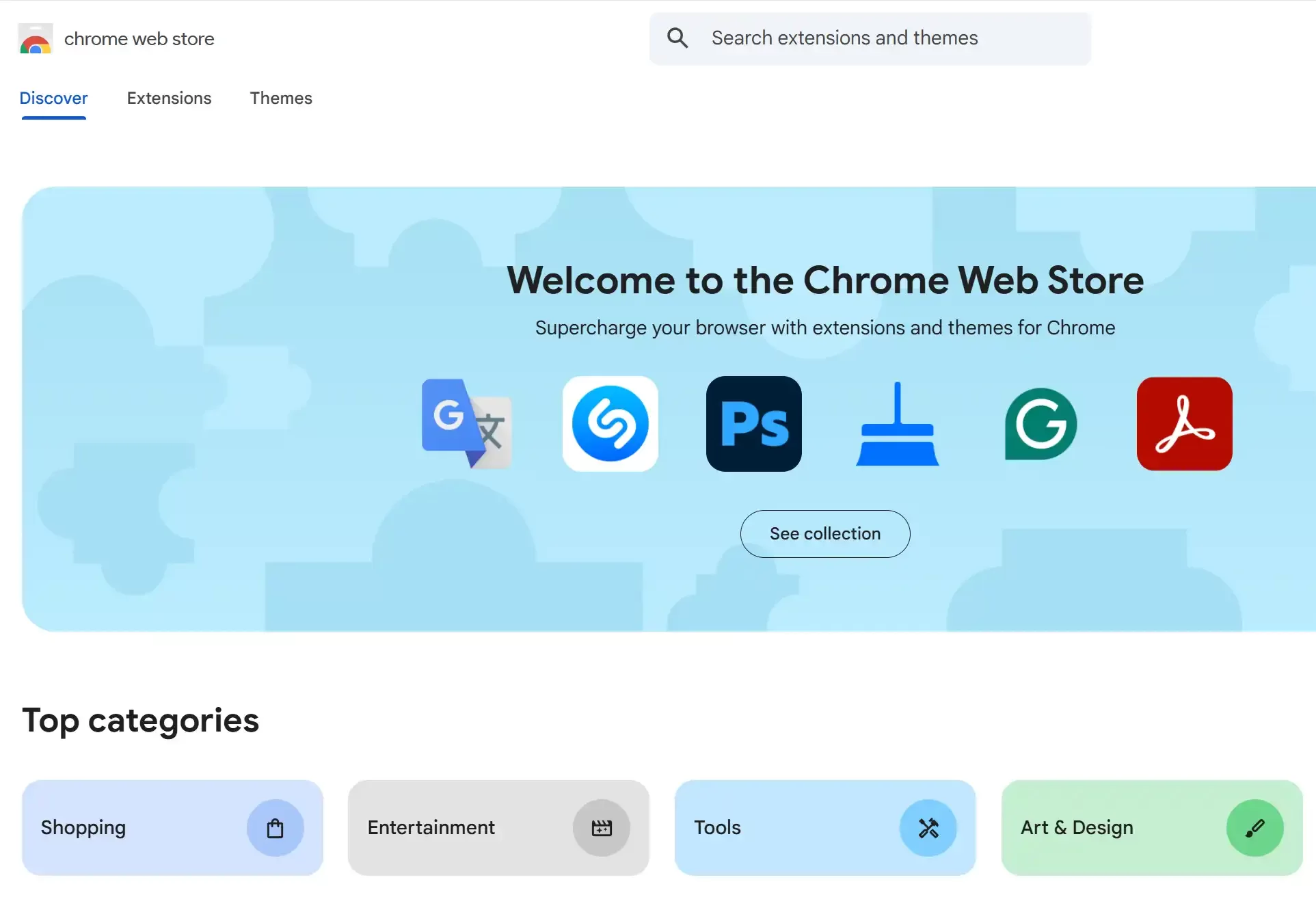
I have changed my Chrome add-on picks list many times through the years. Here are my safe, truly useful choices I keep live in 2026:
- uBlock Origin Lite: This light but strong ad-blocker fits Manifest V3. Its CPU use is 60% less than the old uBlock.
- Bitwarden: An open-source password boss. It is free for all your devices. It gives more safety than the Google password tool and works on all platforms.
- OneTab: It turns all your open tabs into one list. It can slash RAM use by up to 95%.
- Dark Reader: It builds a live dark mode for each site. It cuts eye strain by a wide span.
- Grammarly: It checks your English text and tone. You must use this tool for your work-world chats.
- GoFullPage: It lets you grab a full-page screen shot. It catches the whole page as one PNG with no scroll.
- Loom: A quick screen record and video note tool. It is a top pick for teams that work from far off.
None of these add-ons waste your power or risk your privacy. I have used each one for at least a year. I hit no data leaks or speed snags with any of them.
Check which add-ons got fresh builds on a set plan through the add-on boss. Out-of-date add-ons make a hole in your safety.
Auto Translate, Voice Search, and Built-In PDF Viewer
The auto-translate tool is one of the Chrome features I lean on the most. When you land on a page in a strange tongue, a translate icon pops up right in the bar. One click turns the whole page into English. The word-for-word skill has grown by leaps and bounds in 2026.
It can now catch idioms and street slang with no flaw. I cannot do my work of reading tech docs without this tool. Plus, you can turn on the “Always translate” pick for some tongues and skip the hand touch for good.
The voice search tool is a life-saver, most of all on your phone. Just click the mic icon in the bar and speak. Google’s voice catch tech gets English with a stunning lack of slip-ups.
Voice search is a true help while you cook or drive. You can even give browser shouts like “Open last closed tab in Chrome.” This skill got a lot more strong thanks to the Google Assistant blend.
Meanwhile, the built-in PDF tool kills the need for big apps like Adobe Acrobat. You can pop PDFs right in the browser, read, fill forms, and even e-sign.
The AI Sum Up tool lets you shrink long docs in a snap. Best of all, the built-in PDF tool is fully free and has no ads. The worth of this blend is clear when you think about the wide use of the PDF type.
Google Chrome Auto-Update and Future View
The Google Chrome auto-update loop is maybe its most slept-on feature. Most users do not even spot this silent, back-end work.
Yet thanks to this system, your tool stays fresh at all times. On top of that, you get the most new safety fixes. The view of what’s next is even more wild. A browser feel with AI stitched deep inside its core waits for us.
I myself am obsessed with updates. The first thing I do each morning is check the chrome://settings/help page.
Seeing that your browser is up to date gives me a sense of peace. You should pick up this habit too. An old browser is like a door left wide ajar.
Google Chrome Auto-Update Loop
The auto-update loop works in six-week cycles. Each new drop brings safety fixes, speed boosts, and new tools.
The team does not wait for the loop when a key hole shows up. They push the patch out, most times in just one day. The tool grabs the new build in the back while you work.
When you restart Chrome, the system puts the new version in place. A green, orange, or red arrow in the top right shows your update state.
A green mark means you got the last patch two days back. Orange shows a four-day lag. Red means a full week has passed. You should restart the tool the moment you spot the red mark.
To keep pushing off an update is a big risk. I save my work and restart the second I spot this sign. I lose no work since my live tabs pop back on their own.
In big firms, the IT group tends to run this show. IT pros can pin the tool to set builds with group rules. But for a home user, the best path is to let updates flow free.
You should always see a “Google Chrome is up to date” note at chrome://settings/help. If you hit an “Update failed” slip, just grab Chrome once more from the real site and run the setup over it.
Chrome’s Path Ahead: AI Woven Deeper Inside

Chrome’s road map past 2026 is fully aimed at AI. As Gemini models shrink and speed up, in-browser AI skills will soar by leaps and bounds.
The next big shift we will see is the “Proactive Agent” mode. This system can roam the web on its own for you.
On top of that, it fills in web forms and wraps up dull jobs all by itself. For one, you could say, “Scan and sum up field news each Monday for me.”
One more wild step is the full blend of WebGPU. Thanks to this tech, Chrome will run console-grade games right in the browser.
The use of the GPU for speed-ups will get a lot more sharp. AI models will also run on the GPU, cutting the need for the cloud. This is a game shift for both speed and privacy.
On the privacy front, the “Privacy Sandbox” plan will keep on its path to grow up. As third-party cookies die off for good, new ad tech will take root as a rule.
Thanks to its open-source core, these shifts stay in view for all to check. My best guess is we will not know Chrome by 2028 from what we see now. AI won’t just be a skill; it will be the base way the tool thinks and acts.
Key Sources You Must Read for Chrome
I gave you a full set of facts in this guide. But you must dig into deep wells if you want to be a true pro. The trusted sources I chose below will let you grasp browser tech from the top voice:
- Chromium Plan Real Docs — The real docs of the open-source base that Chrome sits on. Here you find the most deep tech points on the Blink engine, V8 engine, and the safety build. It is the main source for devs and system heads.
- Statcounter GlobalStats — Browser Share Data — A free check hub where you can track world-wide browser shares in real time. The spot shares all data, like the 2026 Chrome share, in a clear way. You can sift this by place or time with ease.
- web.dev — Google Web Dev Sources — Google’s own web dev school hub. It gives the most fresh and true facts on web rules, speed tweaks, and new browser bits. It stands as a guide for web rule support.
Google Chrome’s Role in Our Digital Life
Chrome is no longer just a piece of code. It is a piece of our new, web-driven lives. All things spin on this base, from job hunts to cash moves, from online class to far-off work.
We work at a speed and safe level you could not dream of in the Internet Explorer age. As the maker of this shift, Chrome keeps on setting the web’s rules.
The fight among browsers is a plus for all of us. Firefox’s sharp eye on privacy, Safari’s lean use of juice, Edge’s deep tie-in with firms… Each one serves a new need.
But Chrome stands at the peak in whole feel, speed, and the fit of its world. Its role as a browser for all screens is the main beam of this lead.
A key part of web smarts is to know the tool you hold. With this guide, you did not just learn to use Chrome. You learned to grasp it. Paired with the roots of the World Wide Web, you are now a much more sharp web user.
Tips for Users: Use Chrome at Full Force
To end, I want to list my own small tips. Build these moves to get the most from Google Chrome.
First, sign in and flip on sync. This one act shifts your whole feel on its own. Next, turn on Enhanced Safe Browsing. You cannot roll the dice with your own safety.
Third, learn to use tab groups. Scattered tabs are the quiet foe of good work.
Build a set plan to wipe your browse past. Junk cookies and cache files slow the tool down bit by bit. This clean-up once a month keeps the speed up.
Also, watch your load use with the Chrome task boss. To know which tabs or add-ons draw the most juice lets you fix things fast.
And most key of all, keep your learn path. The team keeps it fresh and adds new skills each day. Save this guide to your top picks and check back now and then.
10 Key FAQs from Google Chrome Users
What tweaks can I make to cut Google Chrome RAM use?
Chrome feels slow. What can I do to make it fast?
What sets Chrome and Chromium apart?
Is the Google browser safe? Does it keep my own facts from prying eyes?
Are my saved log-in keys safe? How should I keep them?
Are Chrome add-ons safe? Which ones do you vouch for?
What does Incognito mode truly do for you?
Can I stop the auto-updates?
How do I sync my bookmarks and tabs with my other gear?
What is “Hardware Speed-Up” in Chrome? Should I leave it on?
Wrap-Up: Get Set for What’s Next with Google Chrome
We reached the end of this full guide. You now know Chrome’s build and how it ticks. Plus, you learned its tools and ways to boost your own work.
I hope these facts, which I shared as if in a coffee chat, serve you well. Now the turn is yours. Fit these bits to your own work flow.
Keep in mind, tech shifts at a wild pace. Google Chrome stays at the front of that change. The road ahead looks even more bold with AI blends, deep safe walls, and raw speed jumps. You should track the fresh news and not be shy to test new stuff.
I am glad to walk this path with you on your tech trip. Drop your thoughts in the notes if you have more to ask. For now, stay safe and take care!

Be the first to share your comment