

Microsoft is a cornerstone of the modern digital age. This software firm has shaped tech for over 50 years. As a true tech giant, it touches every part of our lives.
Today we put this full company profile under the microscope. We start with its founding story and go down to the latest financial data. You will see every detail of this global tech leader laid bare.
I have worked in the software sector for 15 years. So let me be clear: when people hear Microsoft, most think only of Windows. Yet behind the curtain lies a huge corporate body, a cloud empire, and an AI vision. Let’s explore all of this in depth.
You will find digital shift plans, gaming, and fun in this guide. Plus, we examine its NASDAQ journey and market lead spot with numbers!
What is Microsoft Corporation?
Core Identity, Mission, and Global Role
Microsoft Corporation was born in 1975. It is an American tech firm based in Redmond, Washington.
The HQ still sits in the same spot, on the vast Microsoft Redmond Campus. Its mission is crystal clear: help every person and group on the planet achieve more.
This global firm operates in over 190 countries. In fact, Microsoft’s headcount reached about 238,000 by 2026.
We are talking about a massive people network. These numbers alone show the sheer size of the company.
Beyond its software giant image, Microsoft now stands as a cloud and AI firm. Its shift under Satya Nadella is truly striking.
In the old days, it focused only on the OS market. Now it has grown huge in business tools, game consoles, and work apps.
The firm’s culture now stands far from its old pushy image. Today it embraces a teamwork and partner-focused style.
Rivalry still burns hot. Still, its ties with the open-source crowd are more helpful now. I see this change clearly in the field.
Market Position and Brand Value (2026 Update)
At the end of 2025, its market cap passed $3.2 trillion. Microsoft ranks as the world’s second most valuable firm. It often swaps the top spot with Apple. This race boosts the speed of new ideas like crazy.
Microsoft’s market stance rests on three main pillars. In cloud services, Azure goes head-to-head with AWS.
In work tools, Microsoft 365 is almost peerless. Moreover, in gaming and fun, the Xbox world grew huge after buying Activision Blizzard.
On the brand value side, Interbrand’s 2025 report puts Microsoft third, with over $278 billion. Its blended SaaS, PaaS, and IaaS layers beat rivals by a wide gap. The Microsoft Copilot link widens this gap more each day.
Honestly, the key edge I see is ecosystem wholeness. Windows, Azure, Office, and Dynamics 365 blend perfectly together.
No rival can offer such an end-to-end feel. In business insight and auto tasks, Power Platform crowns this unity.
Founding Story & History
Bill Gates, Paul Allen, and the Start at Lakeside School
Microsoft’s start rests on the bond between Bill Gates and Paul Allen at Lakeside School. This private school in Seattle bought a Teletype terminal in 1968.
Two eager young students met the BASIC programming language on that terminal. They spent more time in the computer lab than in class.
When I think back to that time, my heart pounds. Two high school kids wrote code and fixed bugs late into the night. When they ran out of school computer time, they found gaps and broke in. The school leaders spotted their gift, not their guilt.
In January 1975, Popular Electronics magazine set fate in motion. The cover showed the Altair 8800 computer.
Paul Allen showed the magazine to Bill Gates. Both had the same thought. They had to write software for this personal computer. Right away, they called MITS and pitched a BASIC interpreter.
Guess what? No working code existed yet. Gates and Allen worked for six full weeks with almost no sleep.
In the end, Altair BASIC emerged. That moment sparked Microsoft’s first taste of success. From that day on, the software license model would change the whole trade.
Even then, the firm’s mission was clear: a computer in every home. Today, that sounds simple.
But in 1975, people saw this vision as madness. Yet those two young minds changed the fate of the whole IT world forever.
First Global Step: ASCII Microsoft, Xenix, and COBOL Fortran
Bill Gates and Paul Allen set up the firm on April 4, 1975. The first big move came in 1978 with Microsoft’s first office abroad.
They teamed up with ASCII Corporation in Japan to form ASCII Microsoft. This step gave shape to their global vision. Character encoding rules were key for hardware match at that time.
Here is a fun fact: few know this, but Microsoft also built hardware back then. It made an add-on card called the Z80 SoftCard for the Apple II.
This card let the CP/M operating system run on Apple. Sales soared. In short, Microsoft opened its first real money door.
At the start of the 1980s, the firm began to widen its range. It licensed a UNIX-like operating system called Xenix. Also, it built compilers for programming languages like COBOL Fortran.
At the heart of Windows lies the kernel, the core. This part handles talk between hardware and software. The truth is, the kernel design directly shapes system health.
These goods gave it a solid spot in the business world. Of course, microsoft.com did not exist yet, but the base was laid.
Running many goods in parallel as a side-firm plan was a stroke of genius. They did not lean on just one product and spread the risk.
The firm laid the base for today’s rich product mix in those days. From what I see in the field, this multi-product plan still lives on.
MS-DOS, Windows, and the Rise in the OS Market
The year 1981 marked a turning point. IBM was hunting for an OS for its personal computer project.
Gates and his team bought QDOS from Seattle Computer Products. They renamed it MS-DOS and licensed it to IBM. The key point: they did not give IBM a lone license.
This smart plan has always amazed me. Microsoft sold MS-DOS to other PC makers too.
When the IBM-compatible PC market blew up, every machine ran MS-DOS. As if that was not enough, they launched Windows 1.0 in 1985. The age of graphic screens had truly begun.
Over the years, the Windows rise did not slow. With Windows 95, Windows XP, and Windows 7, this product became the clear king of the desktop.
During the Steve Ballmer era, Microsoft earnings grew many times over. At that time, it also ruled the Internet Explorer web browser space.
Before Internet Explorer, Netscape Navigator held the market. In the mid-1990s, it was the sole way to surf the web. Microsoft’s tough push changed that fast.
But every rise has a cost. The big antitrust suits hit right in this span. The US Justice Department and the EU Commission opened probes over broken fair-play rules.
They charged the firm with trying to lock up the market. Still, these suits could not stop the growth pace for good.
Windows OS Family: The Desktop Crown
Microsoft holds a peerless spot in the global desktop OS market. Per Statcounter’s February 2026 data, Windows 11 alone grabbed a 72.57% share. With Windows 10 fading, this rate climbs fast.
This software giant began its journey with Windows 1.0 in 1985 and now rides the AI wave. Truly, this saga is a tale of deep change each ten years.
Windows 95 built the graphic screen shift. Also, Windows XP brought unique steadiness. On top of that, Windows 7 built trust in the business world.
So, where are we now? Windows 11 drew a huge crowd from Windows 10, whose support fully stopped on October 14, 2025.
Frankly, this move went much faster than I thought. Because the firm pushed safety and new hardware support, it pulled users to the new platform.
Windows 11 and the Key AI Strategy Shift
At the start of 2026, Microsoft quietly but boldly changed its AI plan in Windows 11. The firm stepped back from its “Copilot everywhere” push.
Pavan Davuluri, VP for Windows and Devices, shared the news about Copilot. Plus, they will now focus on truly helpful and well-made moments.
Behind this choice lie strong user complaints. Last year, the firm forced Copilot buttons into Snipping Tool, Photos, and Notepad.
So, this stirred real fuss. Now Microsoft cleans up these needless spots. I think this is the clearest sign that the firm has started to hear users.
Coders no longer add AI as a separate layer to the OS. Instead, it works like an unseen aide.
Settings and File Explorer got their own AI skills without the Copilot brand. Just type the setting you need with plain words. No more getting lost in menus.
Windows Server 2025: The New Backbone for Business
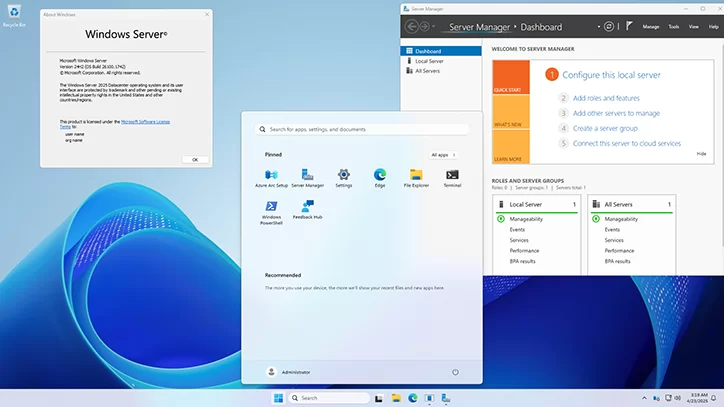
On the server side, Microsoft reset the bar for business tech with Windows Server 2025.
This version, launched on November 1, 2024, brings ground-shaking new safety and blend options. Above all, the Secured-core server build uses hardware safety steps to fight ransomware head-on.
One of the most fresh perks is Hotpatching. Thanks to this, you can add key safety fixes without a server restart.
With 15 years of system admin work, I say: this feature cuts planned stops to near zero. This matters a lot for always-on finance and health systems.
Windows Server 2025 works deeply with Azure Arc. Now you can run on-site servers from the Azure door. Also, you can set up mixed cloud plans much more easily.
GPU splitting makes AI jobs far simpler. You can run these loads right on the server. Plus, NVMe storage gains up to 70% more speed stand out.
The Next Big Thing: Windows 12
When we look ahead, all eyes are on Windows 12. Strong leaks from March 2026 point to a big deal. Per these, they might show the new system by late 2026.
The CorePC block-by-block build the firm has long worked on will come alive with this version. Users can drop parts they do not need. As a result, they get a lighter, quicker system.
The most heated talk swirls around the subscription plan. We hear they may charge for some high-end AI features.
Experts say Windows 12 needs an NPU with 40 TOPS of power. What’s more, this chip wants a special hardware piece.
No official word yet. Still, given Microsoft’s AI-first plan, these claims do not shock at all.
Windows 365: Your OS Now Lives in the Cloud
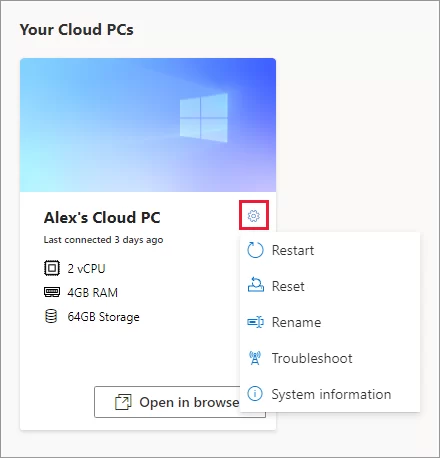
Another game-changing move by Microsoft is the Windows 365 Cloud PC service. This SaaS fix streams a Windows desktop from Microsoft’s cloud to any device in a flash.
All your apps, settings, and files stay safe in the cloud. Use an iPad, an Android tablet, or an old laptop. You still get a full-fat Windows feel.
It suits remote work and BYOD rules like a glove. A big plus: you can use AI features no matter how weak your own hardware is.
Windows 365 now flips the old desktop OS idea on its head. In the years to come, your OS will belong to you, not to a gadget.
In short, Microsoft moved the OS family past being just a software item. Also, it turned this family into a huge service world.
Firms tap Windows 11’s market lead. Next, Windows Server 2025 gives business strength to the base. Meanwhile, Windows 12 brings fresh ideas with its AI view.
Therefore, Windows 365 serves with cloud ease. The four come together to build a matchless whole. This software giant will keep shaping the OS market’s fate for many more years.
Products, Services, and Tech Ecosystem
Cloud and AI: Azure, Microsoft 365, Copilot, and the OpenAI Bet
When you say Microsoft products today, Azure springs to mind first. In the cloud space, it sits second behind AWS, but the gap closes fast.
It serves firms of all sizes with public, private, and mixed cloud tools. With Azure Functions, the serverless computing plan frees devs from hardware woes.
Azure gives you full virtual machines, storage, and network tools. Also, you can find database services on the platform. SQL Server now runs as a fully managed service on Azure too.
Moving Windows Server loads to the cloud is now so easy. Truly, the mixed plan gives business clients a big edge.
The Microsoft 365 side is a whole other hit story. It brought classic work tools like Word, Excel, and PowerPoint into the cloud age.
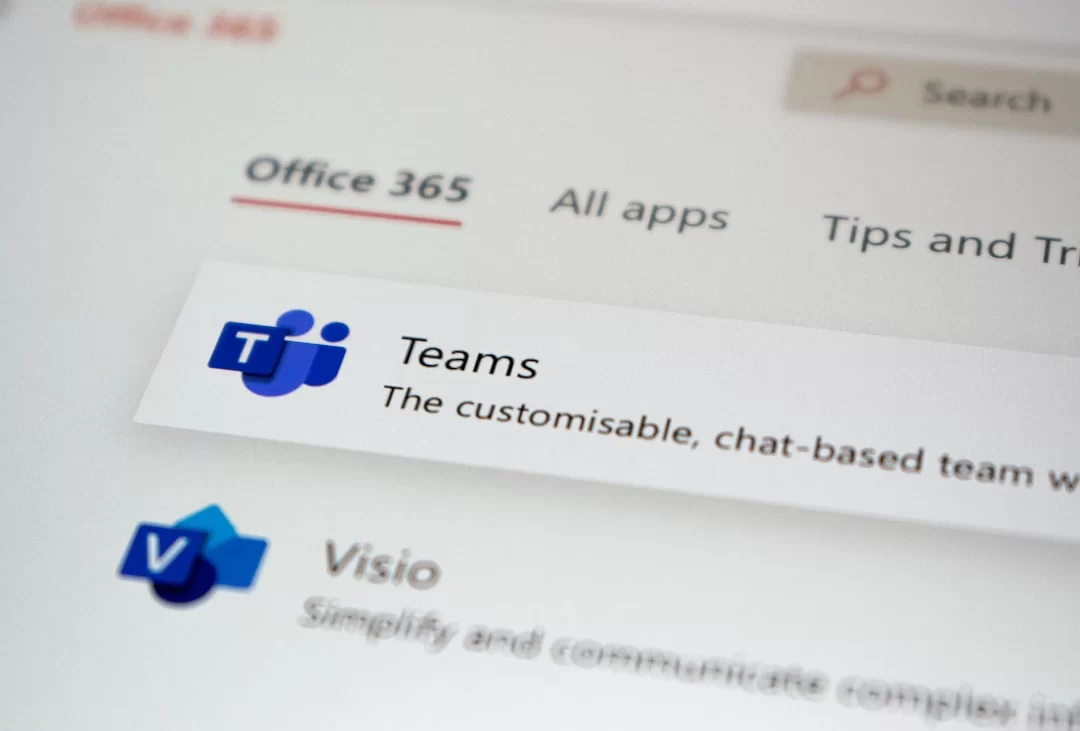
Calendar, mail (Outlook), file keep (SharePoint), and video calls (Teams) now sit in one pack. Chat and group work tools lit the flame for the remote work boom.
Business resource planning and client ties tools join this world via Dynamics 365.
The Artificial Intelligence Revolution and the OpenAI Collaboration
Then the real bomb dropped: the OpenAI bet. Since 2019, Microsoft has poured more than $13 billion into OpenAI.
In return, it won special access to GPT models. Out of this bond, Microsoft Copilot was born. Copilot now comes built into Windows, Office, GitHub, and Azure. Machine learning and deep learning models have moved work output to a new plane.
Azure Cognitive Services gives NLP and computer vision as APIs. For IoT jobs, Azure IoT Hub runs fully.
Also, bets keep flowing into robots and blockchain. On the data and stats front, Power BI and Azure Synapse Analytics lead. In short, cloud and AI are now part of Microsoft’s core DNA.
Gaming and Fun: Xbox, Surface, HoloLens, and the Activision Blizzard Buy
Microsoft stepped into gaming in 2001 with Xbox. Today, the Xbox Series X|S consoles and Game Pass sub have grown into a giant world.
The Activision Blizzard buy closed in October 2023 for a full $68.7 billion. This deal goes down as one of the biggest join-ups in tech history.
Microsoft now holds huge names like Call of Duty and World of Warcraft. Mojang and Minecraft have been in the fold since 2014.
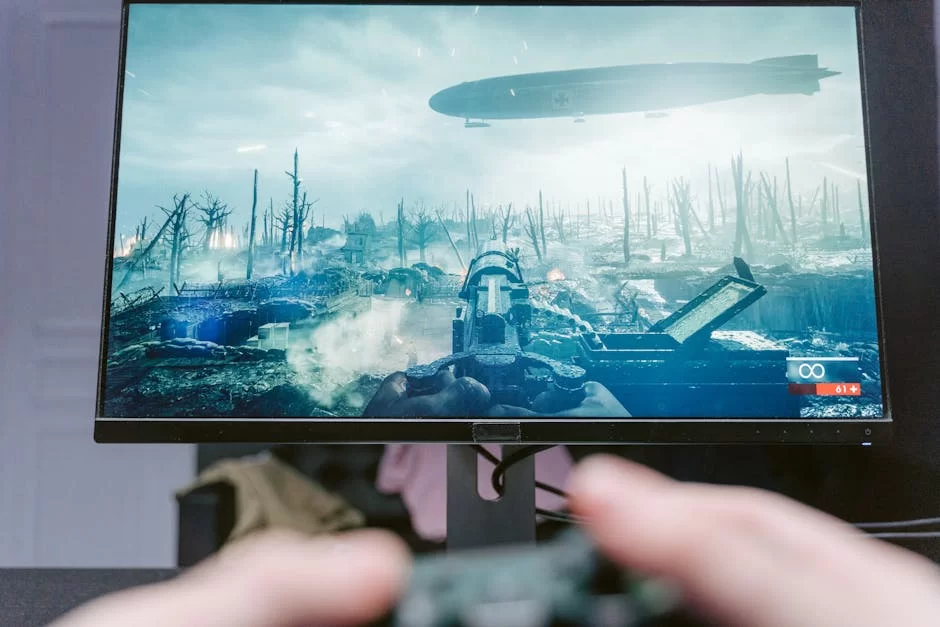
The gaming and fun unit earns more than $20 billion a year. So, this field is now the firm’s fourth biggest business arm. Rivals in the video game world feel real fear from this growth.
The Surface line is the hardware flag bearer. The firm stands in the high-end ring with the Surface Pro, Surface Laptop, and Surface Studio.
I have used Surface gear for many years. The touch screen and pen feel are matchless for creative pros. These devices also serve as guide hardware for the Windows world.
HoloLens and mixed reality sit in a smaller niche but hold great strategic weight. HoloLens blends virtual and augmented reality. Teams use this tool mainly in making goods and health work.
Teams also build striking apps in the training tech space with HoloLens. So, we see fresh work here. It has not yet hit the buyer market, but it makes steady moves on the business side.
Business Tools and Dev Aids: Dynamics 365, Power Platform, Visual Studio
The business tools set is maybe Microsoft’s least talked-about but most cash-rich zone. This world rests on four main parts:
- Microsoft Dynamics 365: It blends client ties and business resource tasks on one stage. It gives special bits for fields like finance, shops, making goods, and the state. Its AI-driven guess tools speed up choice-making.
- Power Platform: A low-code plan lets more people build work apps. Power Platform brings business insight with Power BI. Also, it builds apps through Power Apps. It cuts dull tasks with Automate. Last, it makes chatbots with Virtual Agents. You truly can build business apps with no code.
- Visual Studio and GitHub: The mixed dev space Visual Studio has been devs’ top pick for over 25 years. By buying GitHub, it now sits at the heart of the open-source crowd for code stores and version control. GitHub Copilot makes AI-driven software life cycle work a real thing.
- Azure DevOps and Safety: It brings end-to-end tools for project runs, CI/CD paths, and test auto work. Microsoft’s safety setup wraps in Sentinel, Defender, and Purview. These tools meet all your safety wants. The zero-trust model is now the norm for business clients.
Thanks to this four-part build, business clients can get all they need from one shop. In fields with tight rules, like finance, power, and health tech, this blend gives a huge edge.
Other Products Past and Present: Windows Phone, Lumia, Internet Explorer, Microsoft Edge, Bing, Microsoft News
Every big firm has flop stories. For Microsoft, Windows Phone and Lumia top that list. Windows Phone hit the market in 2010. Despite its fresh look, a lack of apps doomed it.
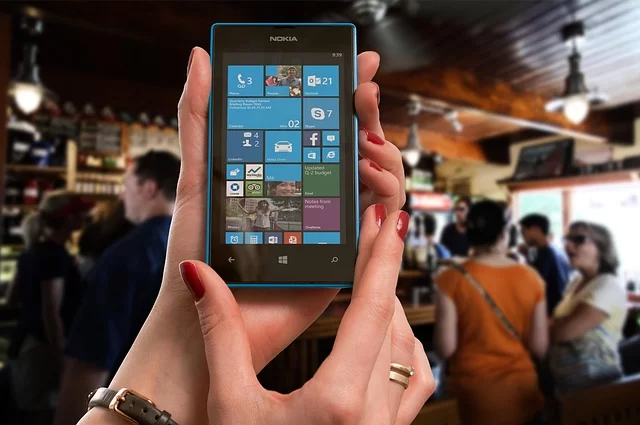
This loss in the smartphone space cost around $7.6 billion. Its whole mobile plan, Nokia buy too, crashed hard.
I watched that time up close. I say with a sad heart: it was a move made too late. The iOS and Android worlds had already locked down the space.
Coders would not write apps for a third platform. In the end, they pulled the plug on Windows Phone in 2017. Still, this flop sped up the pivot to a cloud-first plan.
On the browser front, Internet Explorer once stood as the gate to the search market. It hit a 95% share. But over time, it grew slow. On top of that, safety holes earned it a bad name.
Microsoft Edge took its spot in 2015. After switching to the Chromium base in 2020, Edge came back to life. Edge now sits as a quick, fresh, and trusty browser.
The Bing search tool still has a shy share next to Google. It holds about 3 to 4 percent of the world search market.
Yet, the Copilot tie-in has started to draw new eyes to Bing. Microsoft News keeps the MSN past alive for news grabs and sends. It may not be a full market chief, but it rounds out the world.
Leadership Team, Financials, and Stock Structure
CEO Satya Nadella and the Steve Ballmer Era: How They Lead
The board and top brass set the firm’s big-picture course. Since 2014, Satya Nadella has held the CEO seat.
He is the firm’s third chief. Bill Gates was the founding dreamer. Steve Ballmer led the pushy growth years. Nadella became the builder of change and rebirth.
The Steve Ballmer run (2000-2014) shined on the growth front. Earnings tripled. But missing the mobile and cloud shifts cost dear.
Ballmer’s high-spirited but sometimes rash style has become stuff of tales. In those days, which I saw firsthand, in-house fights were famed.
Satya Nadella came with the flip-side profile. Calm, down-to-earth, and team-minded. His first act was to say, “Stop working as silos.”
He threw the doors open to the open-source world. He made Linux a top-tier guest on Azure. Plus, he shifted the mission line from “a PC in every home” to “help all achieve more.” This mind-shift shows in the money data too.
Board Chair John W. Thompson, Vice Chair Brad Smith, and CFO Amy Hood are Nadella’s closest workmates.
Brad Smith plays a key role, mainly in social good and rules. Meanwhile, people know Amy Hood for tight money moves. Together, they form a deeply steady top team.
NASDAQ MSFT: Stock, 2025 Market Cap, and Yearly Revenue

Microsoft stock began trading on the NASDAQ exchange under the ticker MSFT on March 13, 1986. The IPO price was $21 per share.
Since then, they have split the stock nine times. One share bought in 1986 is now 288 shares. A mind-blowing gain for long-term owners.
Per late 2025 data, the market cap stands at $3.2 trillion. That makes it the world’s second most worth-filled firm.
Three main engines drive the market cap growth. Cloud (Azure) grows 29 percent each year. Microsoft 365 subs passed 400 million. Copilot license earnings climb at a steep rate.
On the dividend side, we see steady work too. Microsoft has raised its payout for 20 straight years.
By 2025, the yearly yield sits near 0.7 percent. It may look low, but among growth stocks, this steadiness earns praise. It stands as a model for business build and money care.
Mergers, Fight Plan, and Antitrust Battles
Buying LinkedIn, GitHub, Skype, and Nuance Communications
The list of firms Microsoft has bought is quite a thing. In 2016, the LinkedIn buy cost a full $26.2 billion.
The pro social network giant now has over a billion users. LinkedIn now works hand-in-glove with Dynamics 365 and Microsoft 365. After the buy, its earnings jumped nearly four times.
Microsoft bought GitHub in 2018 for $7.5 billion. At first, the dev crowd felt fear. But the firm did the exact reverse of their fears.
GitHub stayed free and kept backing rival clouds. What’s more, free private repos and Copilot link made the place even stronger. Today, over 150 million devs use GitHub.
As for Skype, the firm bought it in 2011 for $8.5 billion. At that time, it was the king of online talk. Yet over the years, it fell into the shade of Teams. Still, the Skype base laid the ground for Teams.
Also, the firm bought Nuance Communications in 2022 for $19.7 billion. It brought voice pick-up and NLP skills into the Microsoft world for health tech. This buy sparks big change, mainly in clinic write-ups and patient touch.
Activision Blizzard Buy and the Firms Microsoft Has Bought
It closed the Activision Blizzard buy on October 13, 2023, for $68.7 billion. This huge buy marks the high point of Microsoft’s game sector plan.
The UK CMA and EU watchdogs looked at the deal for months. At last, it got the nod, with some vows tied to the cloud game market.
After the buy, Microsoft added games like Call of Duty and Candy Crush to its set. More than that, it pulled in Diablo, Overwatch, and World of Warcraft.
Microsoft now stands as the world’s third largest game firm, after Tencent and Sony. Game Pass subs passed 34 million. On the mobile side, King brought a huge user base.
Let us glance at other key bets and buys. Mojang and Minecraft came in 2014 for $2.5 billion. Today, Minecraft has sold over 300 million copies. It holds the crown as the top-selling game ever.
Plus, they made a license deal with Inflection AI. On top of that, they set up a cloud tie with Oracle. In the end, chip design steps catch the eye.
Microsoft’s fight plan now rests on world growth, not head-on clash. The firm picks team play over smashing foes.
For one, it gave Sony a 10-year license vow for Call of Duty. This tack helped smooth the way through antitrust checks.
Microsoft Antitrust Suits and Fight Plan
The Microsoft antitrust suits mark the firm’s hardest hours. In 1998, the US Justice Department sued. The charge: forcing Internet Explorer into Windows to crush the market.
As a result, the firm faced the threat of a split into two. The sides finally settled in 2001. Yet this time cut deep into the firm’s core style.
The EU fined the firm a total of €2.2 billion between 2004 and 2013. They did this over the Windows Media Player pack. Also, they forced Internet Explorer on users. On top of that, they blocked entry for rival software.
Today, antitrust talk has moved to a new ground. Now the focus sits on the cloud market and AI bets.
Watchdogs in the EU and UK look closely at Microsoft’s tie with OpenAI. The license rules on Azure are under the lens too. But this time, the firm acts ahead of the game. It gives vows and works with probes before they start.
My own take: Microsoft learned a great deal from its antitrust past. Today’s chiefs pick talk over clash with rule-setters.
The law team led by Brad Smith sets the field’s lead on global rule fits. This grown-up tack holds key weight for long-term investor trust.
Microsoft Social Good, Green Goals, and Ethics
Carbon Negative Target, Access, and Inclusion
In 2020, Microsoft crowned its social good view with a history-making vow. The firm aims to be carbon negative by 2030.
More than that, by 2050 it vows to pull all the carbon it has put out since its start from the air. This green plan was a first in the tech field.
The carbon negative goal wraps not just its own work but the whole worth chain. That takes in emissions from its supply chain and user runs.
The firm puts cash into carbon catch tools through a $1 billion Climate Innovation Fund. Now, green rules shape each call. They guide every step, from the supply line to data hall design.
Microsoft’s access pledge is yet another pride point. Windows, Office, and Xbox goods serve special needs for users with limits. They pack many traits that help sight, sound, and move.
Gear like the Xbox Adaptive Controller sparked a new age in gaming. The firm runs a $25 million fund. Through this, it gives grants for access tech.

On the mix and include front, the firm sets bold marks. It has vowed to raise the count of women and less-seen groups in top spots. It also shares these shifts in the open.
The team puts out in-house fairness checks on a set beat. It ranks as one of the most see-through firms on pay justice. In the social touch zone, its aid for ed tech start-ups also earns high marks.
Microsoft Research Labs, Quantum Computing, and AI Ethics Rules
Microsoft Research labs (MSR) have pushed the edges of science since 1991. Over 1,000 searchers work across eight labs worldwide.
They run projects from pure science to real-world tech. What’s more, this work touches a very wide field. MSR hosts winners of the Turing Award and Fields Medal.
The work in quantum computing stirs real thrill. Microsoft stands apart from foes with its topological qubit plan.
It offers access to quantum skills through the Azure Quantum space. No trade-scale quantum machine exists yet. But fields like stuff science and drug find hold huge ground-shift chance.
Microsoft’s AI ethics rules serve as a field guide. The firm set six core points: fair, trusty, and safe. Also, they wrap in, clear, and own up.
The Responsible AI Office checks that these rules get used. Microsoft built a separate unit for net safety and AI guard.
The brakes it put on face-scan tech earn high praise. The firm said no to selling tech that could lead to rights breaks.
This firm ethical stand may cut near-term cash, yet it builds brand faith for the long haul. State groups and rule-setters view this stand in a good light, too.
The Forces Behind Microsoft’s Win
Microsoft Side Firms and Their Reach Across Fields
The firm’s side shops boost its reach across many fields by leaps and bounds. LinkedIn holds a near-lock on pro nets and skill care.
GitHub has become the heart of the software build world. Nuance Communications flips clinic work flows in the health tech field.
In retail, Dynamics 365 and Power Platform reshape the shopper’s path. On the make floor, Azure IoT and twin-in-the-cloud tech lead the shift to Industry 4.0.
In the cash world, Azure’s rule fits and safety traits give a key edge. In the power zone, green tools and smart grid tech mark its spot.
Microsoft gives the state its own cloud space with Azure Government. In the ed tech field, Microsoft Teams for School hit over 200 million kids during the health scare.
Microsoft’s spot in the field now goes far past tech. It reaches health, schools, farm work, and space hunts. This spread plan keeps the firm safe from money swings.
The smartest bit of the side-firm plan is the freedom it gives. LinkedIn, GitHub, and Mojang run much on their own. They keep their own style and new-idea speed.
Thus, bought firms do not fade. Instead, they grow strong inside the Microsoft world. This tack builds trust for buys yet to come.
Data Care, Stats, Machine Learning, and Future Tech
On the future tech front, I can list where Microsoft stands like this:
- Data Care and Stats: With Microsoft Fabric, all data jobs unite on one stage. Thanks to the OneLake build, data stores, lakes, and real-time stats work as one. Power BI brings views and dashboards down to the end user. AI-driven clues flip the way choices get made.
- Machine Learning and Deep Learning: Azure Machine Learning lets you steer models end to end. It makes train and push work smooth. Small tongue models like Phi-4 and Mistral can now live on Azure. NLP and computer vision skills stand ready for API use. On the flip side, you can craft your own AI aides with Copilot Studio.
- IoT and Edge Work: Azure IoT Edge and Azure Sphere run billions of gear in a safe way. The use range spans from smart mills to linked cars. AI guess work at the edge lets real-time picks come to life.
- Blockchain and Web3: They give trade blockchain tools with Azure Confidential Ledger. Spread-out ID care and supply chain clearness stand out as use cases. But this zone is still in the ripening stage.
- Quantum Computing: Through Azure Quantum, mock runs and best-fit tools are up for grabs now. As quantum machines spread in the years to come, the firm will stand in a ready spot.
This tech spread holds all the tools a firm of any size needs on its digital shift path.
In my own view, the biggest edge over foes is this wholeness. To reach all these skills from one shop cuts the cost and tangle of blend work by a real lot.
Prime Sources for Microsoft Corporation
For those who wish to dig deeper into Microsoft, I suggest these prime sources. They give facts on the firm’s cash data, tech view, and field reach. Plus, this info is the most fresh and checked out there.
- First, the Microsoft Investor Relations page gives direct reach to SEC files and yearly reports. It is the top source for cash work and stock facts.
- Next, the Microsoft Research part prints the fine points of fresh search projects, from quantum tech to AI, with school-grade papers.
- Last, the SEC EDGAR Microsoft Files hold all the firm’s filed notes to the US Securities and Exchange Commission. They form the most trusty data set for free checks.
I pulled all the facts and plan checks in this guide from these spots as of April 2026. I strongly urge each pro who wants to grasp the Microsoft world to track these sources on a set beat.
Top Questions About the Microsoft Giant (2026)
Who started this tech giant, and what is its start story?
Who is the CEO of this firm right now?
Where does the name Microsoft come from, and what does it mean?
How do I buy Microsoft stock, and what is its fresh price?
What is the firm’s fresh market cap and headcount?
What are this software firm’s most liked goods?
What does the firm do in AI, and what is Copilot?
Where is the company’s US office, and what services does it offer?
What are the biggest firms bought in the last few years?
What sets Microsoft 365 apart from Office, and which should I pick?
Wrap-Up: Microsoft’s 2026 View and Future Path
As it steps into 2026, Microsoft stands in a spot of huge might. Its growth plan built on cloud and AI bears fruit. The firm is no longer just an OS market player.
A true world tech leader, it now touches each field. The board, led by the maker of this change, Satya Nadella, earns high praise.
In the next five years, the MSR labs could make a quantum jump. Microsoft Copilot will turn into a core part of each piece of code.
On the game and fun side, the blend work on the Activision Blizzard buy will go deep. We will also see real steps on the path to the carbon negative goal.
Of course, risks still stand. Rule-setter push and antitrust looks could rise. The AI rights talk could put the firm in a tight spot.
The fight is as hot as it has ever been. Yet Microsoft’s fight plan now builds on smart stands, not mean strikes. I trust this grown-up tack will win in the long run.
With 15 years in the field, I can say this: the firm has no peer in learning from its slips. The switch from the Windows Phone flop to a cloud-first plan is the best proof of this.
The truths it drew from antitrust suits feed its team-work style today. Far more than just a market head, it has more than earned the tech giant name. Just like its start tale, Microsoft’s future will keep steering the course of the code world.

Be the first to share your comment