
In the digital world, color is essential for how we see things. It changes how we see the world, primarily through our screens. The RGB model (Red, Green, Blue) is key to showing color. It turns light into the bright colors we see on monitors, TVs, and phones.
This article explains the details of the RGB model and how it works. We will see how colors are made and shown on screens. We will also talk about the differences on various devices.
Lastly, we will mention the science of how we see color. By learning the RGB system, we can better enjoy amazing pictures. These pictures make our digital time much better. Let’s start this colorful trip through light, mixing colors, and tech.
What is the RGB (Red, Green, Blue) Model?
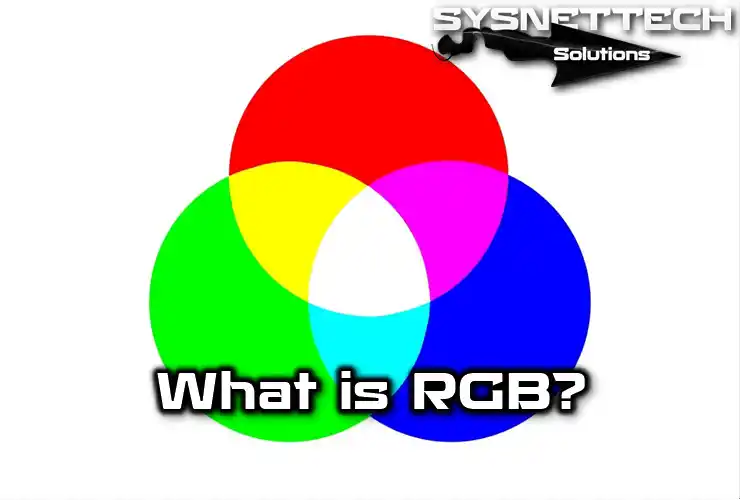
RGB (Red, Green, Blue) is a way to make colors for screens. It makes colors by mixing different amounts of red, green, and blue light. This method works by adding light together. When you combine all the colors at full strength, you get white. When there is no light, you get black.
But the RGB model does not have one set meaning for its colors. This means the exact RGB numbers can look different on other screens. This happens on monitors, TVs, and phones. Different screen types, settings, and color rules cause this change.
Also, there are different kinds of RGB color spaces. Examples are sRGB, Adobe RGB, and ProPhoto RGB. Each one can show a wide range of colors and is for other uses. So, knowing which RGB type you are using is essential. This knowledge can change how a color looks and is seen.
Ratios in which Every Color is Blended
A number is given to each primary color to set the mix. A number of 0 means it does not add to the mix. That is, a higher number adds more strength to the color.
The numbers can be from any range. These can be numbers from 0 to 1. It can also be whole numbers from 0 to 37. Most often, each color uses one byte (8 bits). So, the strength for each part is from 0 to 255.
So, (255,0,0) makes the color red. Also, (0,255,0) makes green. And, (0,0,255) makes blue. In each case, this makes a single, pure color. The color black, which is no color, is (0,0,0). When two colors are at 255 and one is at 0, you get three other colors.
Also, remember these color codes: yellow (255,255,0), cyan (0,255,255), and magenta (255,0,255). Of course, white is made with the highest levels of all three colors: (255,255,255).
All colors can be shown as points inside a cube. Each point is on the surface or inside the cube. The gray colors are found on the line from white to black.
RGB Color on Computer Screens
On a computer screen, color is made by mixing red, green, and blue. Tiny dots, called pixels, make this work. Every pixel has three smaller parts: one red, one green, and one blue. These parts light up with different strengths.
At first, most monitors could only show a few colors. This restriction meant only 216 colors were possible. The color cube sets these colors. But 24-bit monitors fixed this, allowing 16.7 million colors for the web.
The internet’s set of colors has 216 mixes of red, green, and blue. Each color uses the hex codes: #00, #33, #66, #99, #CC, or #FF. This makes 6³ different mixes.
These number values match percentages: 0%, 20%, 40%, 60%, 80%, and 100%. So, the 216 colors fit into a six-by-six-by-six cube.
Strong pixels make color look better, but colors might not be perfect. This system has two main problems. First, you can only make colors inside a triangle of the light sources. Second, the primary colors are not pure.
Also, a user’s settings and different screens can change how colors look. So, screen color coding is not an absolute rule. It changes based on the details of each specific screen.
Color Perception and Feeling
Your eyes have two kinds of cells that sense light: rods and cones. The cones are the ones that let you see color.
To know how we see color, you should know there are three types of cones. Each one reacts best to a different color. They are most sensitive to red, green, and blue light.
The cones for green and red have very similar reactions. But the response to blue is much less intense. In fact, it is about twenty times weaker than for red or green.
This idea is helpful for systems that save pictures and videos. For instance, JPEG and MPEG formats lose more blue detail on purpose. They do this because our eyes don’t notice the missing blue information much.
The feeling of color is the reaction of each type of cone. This reaction is to the light coming from the object you see. So, you get three different reactions—one for red, one for green, and one for blue.
This way of seeing color has a problem. Two objects can give off different light but look the exact same color to you.
This problem is connected to the way we make colors from a mix. This idea says you can make any color by mixing three primary colors. It works because of how our eyes are stimulated.
RGB Brightness Signal
How bright an image looks depends on its strength and how clear it is. Surprisingly, two different things can create a similar feeling of light. This occurs even with various shades and light patterns. The brightness signal measures our sense of how bright something is. It gives a number for how light or dark a picture seems.
To link black-and-white and color pictures, modern TV uses three main details. One tells how bright it is, and the other two say about the difference in color. This lets old black-and-white TVs ignore the color details. Because of this, they show a gray picture based on the brightness of each dot.
On the other hand, color TVs work in a more complex way. They get information from three primary colors: Red, Green, and Blue. A special formula decides how each color part connects to the color signals. This allows them to show bright, full-color pictures.
But the way signals are sent can be very different between systems. So, problems can happen when trying to play an NTSC signal on a PAL TV. This can cause differences in color and sharpness.

TolgaBagci
Hi, I'm Tolga, a computer expert with 20 years of experience. I help fix computer issues with things like hardware, systems, networks, virtualization, servers, and operating systems. Check out my website for helpful info, and feel free to ask me anything. Keep yourself in the loop about the newest technologies!