

When you hear the name Adobe, you likely think of Photoshop, PDFs, or Premiere Pro. Yet, a much more gripping tech startup story hides behind the curtain. It spans over forty years.
Two genius engineers saw their ideas shot down at Xerox. From that rejection, a Silicon Valley legend was born. It sparked the desktop publishing revolution and changed the world. Let’s examine this huge company’s journey from the very start. We’ll use the latest 2026 data.
I won’t just give you dry facts in this piece. I will share Adobe’s genetic code, key turning points, and its future. This insight comes from my years of work in the sector.
So, are you ready? Let’s dive deeper than ever into this corporate identity story. It all began with the birth of digital publishing!
What is Adobe? The Software Revolution Pioneer of Silicon Valley
What is Adobe? Here is the simplest answer for those who ask. It is the undisputed leader in digital creativity and document management. This global tech company fits that bill. Still, that definition is just the tip of the iceberg.
Why? Because Adobe began as a garage startup in 1982. It then changed the fate of Silicon Valley as a software revolution pioneer. Today, it is a giant firm traded on the NASDAQ under the code ADBE.
Since its founding, the company has done more than just build software. It also builds a guiding intellectual property portfolio and a unique tech legacy. For this reason, we must revisit the past to grasp it.
Adobe Inc. Today: A Global Tech Company Identity
As of 2026, Adobe Inc. is not just a software giant. It is also the backbone of the digital experience economy. The company serves the globe with its trio of clouds. These are Creative Cloud, Document Cloud, and Experience Cloud.
In today’s digital experience economy, rubbing shoulders with Google is a must. Fierce rivalry exists in cloud storage and online office tools. Here is the behind-the-scenes truth. Both giants want to sit at the center of productivity tools.
With offices across the globe, it fully carries the identity of a global tech firm. It touches the workflow of everyone. This spans from creative pros to huge holding firms.
At this point, the firm’s market value is also striking. Thanks to AI integrations, its shares keep showing steady fiscal health. Moreover, the company culture always puts new ideas front and center.
The Birth of Digital Publishing and Adobe’s Key Role

In the early 1980s, a big problem existed. Printing a computer text to look like the screen image was almost out of the question. Right in the middle of this mess, the PostScript language arrived. It brought the concept of digital publishing’s birth into our lives.
Back then, printing required huge machines and tiring steps. Adobe, however, formed an alliance with the Apple LaserWriter. This turned everyone into a publisher. It was a revolution.
Thus, the desktop publishing revolution caught fire. Now, even an office worker could craft pro-looking brochures. Right at this point, the company changed the course of history.
The Company’s Fiscal Health and NASDAQ ADBE Code
Adobe Inc. stock trades on the NASDAQ, the heart of the tech market. It uses the symbol ADBE. This asset dates its public offering back to 1986. It has always rewarded long-term investors.
A look at the company’s money track record shows the wisdom of moving to a subscription model. In the cloud computing era, it multiplied its income. As a result, it became a giant with a market value in the hundreds of billions.
Mainly, recent strategic buyout moves have boosted investor trust. It remains the apple of Wall Street’s eye with its steady growth chart. This also makes it a safe haven.
What Are Adobe Programs? The Most Popular Creative and Productivity Tools
Of course, the first thing that springs to mind with Adobe is its famed software family. Modern graphic design, video work, or web dev is unthinkable without these tools. So, let’s now explore this vast universe together.
The list is very long. Still, I will tell you about the most used ones in the field and their key differences. The ecosystem is so strong that a job started in one program flows on without a hitch in another.
Here are the superb Adobe programs that will lift your creativity. Mainly, the standards they brought are truly worthy of praise. This is key in a time when the software world has become so complex.
Graphic Design and Photo Editing: Photoshop, Illustrator, and Lightroom
This trio is the holy trinity of the creative field. Photoshop is the undisputed king of pixel-based editing. In fact, the verb “to photoshop” is now part of daily speech.
In contrast, Illustrator pushes the limits of the vector world. If a logo never blurs when enlarged, this is a work of Adobe’s math precision. Lightroom, meanwhile, has no rival for batch photo processing.
| Feature | Photoshop | Illustrator | Lightroom |
|---|---|---|---|
| Core Structure | Pixel (Raster) | Vector | Pixel (RAW Processing) |
| Use Case | Photo Manipulation | Logo & Illustration | Color Grading & Archive |
| Layer Logic | Very Advanced | Advanced | Limited |
The table above shows that the firm offers a fix for every need. Which one you pick hinges fully on your project’s nature. As it is, pros often use all three at once.
Video Editing and Motion Graphics: Premiere Pro & After Effects

You see Adobe’s video tools everywhere. They span from Hollywood to YouTube studios. Premiere Pro sets the bar for pro editing with its flawless timeline control. The Adobe company has no rival in this field, either.
After Effects is a whole different beast, though. When it comes to VFX, motion, and moving graphics, this software giant holds a monopoly. Thanks to the dynamic link between the two, the workflow never breaks.
For instance, you can cut an ad film in Premiere. Next, you can add an explosion effect in After Effects. The Adobe ecosystem hands you this freedom on a silver platter. That is why giving rivals a shot is so tough.
Document Management and Digital Signatures: Acrobat and PDF Tech

Perhaps Adobe’s greatest gift to the world is the PDF format. This tech, brought to life by the Acrobat tool, ensures a document looks the same on any device. Today, billions of PDF files stay safe thanks to the firm.
The PDF we know as a portable document format is actually much more than that. With features like e-signatures, form fields, and coding, Adobe made the dream of a paperless office real. The corporate shift in this area is stunning.
Adobe Acrobat Pro makes editing a PDF possible. Do you want to scan a contract and change its text? If so, the software handles this job in seconds and gives you real time savings.
User Experience and Web Design: Adobe XD and Dreamweaver

User experience is everything in the digital age. The firm saw this truth long ago and launched the Adobe XD tool. This software makes mobile app and website prototypes unbelievably fast.
When it comes to web work, the classic tool Dreamweaver springs to mind. It is a strong editor for those who can code. For those who cannot, it is a visual screen. The Adobe company has managed to merge both worlds.
So, which Adobe tool do you use and when? Here is a short guide for you:
- Adobe XD: Ideal for prepping clickable prototypes and checking the user flow.
- Adobe Dreamweaver: Provides a live preview while coding HTML, CSS, and JavaScript.
- Adobe Muse (Retired): Once used to build sites without code, but Adobe no longer backs this product.
With its bid to buy Figma, Adobe also showed how bold it is in this field. This move sparked much talk in the annals of rivalry. For now, XD is still being built out.
Adobe Founder: The Garage Startup Story of the Warnock & Geschke Team
Now, hold on tight, because we are coming to the most thrilling part. Adobe was born when two geniuses defied their bosses and blazed their own trail. This founding team story is a true example of grit.
John Warnock and Charles Geschke. Without these two names, the digital world would be a very different place today. Their journey as the founders of Adobe is a true Silicon Valley legend.
The pair did not just start a company. Under the roof of Adobe Systems Incorporated, they brought a software revolution pioneer’s vision to life. So, let’s dive deep into this amazing team-up.
The Xerox PARC Days: How Did Two Geniuses’ Paths Cross?
In the late 1970s, Xerox PARC housed the brightest minds in the tech world. Here, John Warnock did trailblazing work on computer graphics. Charles Geschke, meanwhile, was one of the lab’s top managers.
The Warnock and Geschke partnership sprouted right in this creative setting. The pair built a language that let printers copy the screen image one-to-one. They named it Interpress.
However, Xerox’s top brass failed to see the business potential of this find. Geschke went door-to-door for two years trying to sell the project. It was no use. Finally, the pair chose to carve their own path to achieve their dream.
The PostScript Language: From a Rejected Idea to a Billion-Dollar Patent
That idea Xerox rejected was a revolution later crowned by a font tech patent. Warnock began working on the PostScript language in his home garage. This language defined every point on a page with math.
It seems so simple to us today. Yet, back then, this was an amazing breakthrough. Now, a letter looked crisp and smooth, whether it was 10 points or 1000 points. The firm had thus created the most prized part of its intellectual property portfolio.
Geschke and Warnock hit the road again to sell this tech. Steve Jobs from Apple fell in love with the idea and invested. At that very moment, Adobe’s fate changed forever.
The 1982 Founding: Adobe Systems Incorporated is Born in a Garage
December 1982. The garage of John Warnock’s home in California was about to make history. With the 1982 founding date, Adobe Systems Incorporated was officially alive. The company name came from the Adobe Creek that flowed behind Warnock’s house.
Those first days were very hard. The two founding partners wrote code while also trying to keep the firm afloat. However, this tech startup story was kneaded with passion, so the outcome was superb.
Even in its first year, it began to grow through sector mergers and huge investments. This garage startup proved it had the potential to become one of the world’s most valued tech firms.
Adobe History: From Desktop Publishing Revolution to Corporate Shift
Adobe history is, in fact, a summary of modern computer history. The company managed to survive by constantly shedding its skin and going through a corporate shift. This is no easy feat.
While many tech firms died clinging to a single product, Adobe knew how to take risks. Its rivalry story with Aldus, the Macromedia buyout, and finally the Figma bid prove this courage.
Now, I invite you on a time tunnel through Adobe’s grand journey of over 40 years. On this trip, we will see together how the strategic buyout choices were made.
Adobe’s First Product: The PostScript and Apple LaserWriter Alliance
PostScript, Adobe’s first product, would have been useless on its own. It needed hardware to bring it to life. Right at this point, Steve Jobs stepped in and had the Apple LaserWriter built.
When these two techs came together in 1985, the result was spellbinding. Complex graphics and fonts on the PC screen moved onto paper without a flaw. Adobe Inc. took the top spot in the sector with this alliance.
Right after that, the Aldus firm launched the PageMaker software, which even drew the eye of giants like Microsoft. At that moment, the desktop publishing revolution fully exploded. Now, publishing was open to all.
PageMaker Software and the Rivalry Story with Aldus
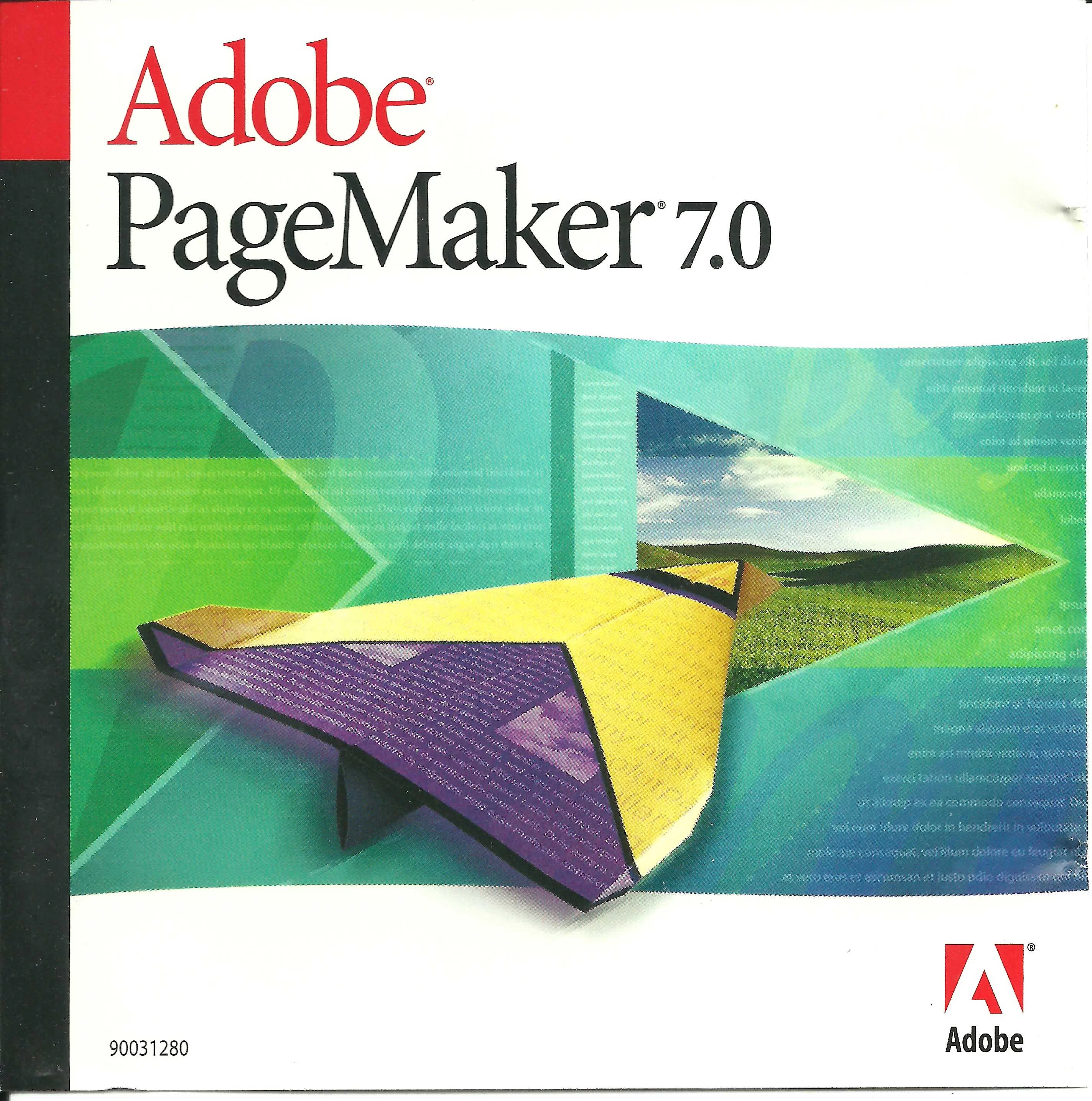
PageMaker software made page layout incredibly easy. But this tool was not an Adobe product; it belonged to Aldus Corporation. Here, a gripping rivalry story began.
Adobe gave the PostScript license to Aldus. At the same time, it was building its own software. While Aldus led the market with PageMaker, Adobe charged into graphics with Illustrator. In the next phase, the Adobe Photoshop bombshell dropped.
Finally, in 1994, Adobe bought Aldus and brought PageMaker into its fold. This move cemented its dominance in the publishing field. Later on, a more pro tool named InDesign took the place of PageMaker.
The 2000s and Beyond: Strategic Moves from Macromedia to the Figma Bid
Adobe left its mark on the 2000s with a huge strategic buyout. The Macromedia buyout took place in 2005. With this deal, key tools like Flash, Dreamweaver, and Fireworks became Adobe’s.
Flash, above all, was the backbone of the web back then. The Adobe firm gained a voice in the web world with this buyout. Years later, the bid to buy Figma hit the news. This event caused a huge stir in terms of sector mergers.
Let’s look at the firm’s key moves in recent times:
- Macromedia (2005): A giant $3.4 billion buyout. Flash tech and web tools joined the portfolio.
- Omniture (2009): Entry into the digital marketing analytics field. The base of Adobe Experience Cloud was laid.
- Marketo (2018): A move to grab the lead in B2B marketing automation.
- Figma (Attempt – 2022/2023): The $20 billion deal was blocked by rule-makers. However, it showed Adobe’s grand vision.
This list reveals clearly why the firm is such a huge software giant. The company always moves to catch the next wave.
Adobe HQ and Global Ops: A Window to the World from San Jose, California
Adobe HQ sits right in the heart of Silicon Valley, at a San Jose, California address. This modern campus catches the eye with its design that mirrors the firm’s innovative soul. For Adobe, this place is far more than just an office.
This global tech giant has offices in dozens of countries worldwide. It runs its ops from here. Thousands of workers shape the tech of tomorrow at the San Jose campus.
As a global player, the firm places huge weight on diverse cultures and work models. This is also a cornerstone of its company culture. So, let’s take a slightly closer look inside this magical world.
The San Jose Campus: The Heart of a Silicon Valley Legend
Adobe’s main hub in San Jose consists of three main towers. Designers planned these towers with green thinking and worker joy in mind. Solar panels on the roofs and green spaces show how much Adobe cares for the planet.
Inside the campus, there are gyms, hoops courts, and even organic gardens for the staff. With these perks, Adobe more than meets the standards required of a Silicon Valley legend.
Besides this, the hub serves as an innovation base with tech summits and hackathons. An engineer working in this setting will naturally have sky-high drive. Adobe Inc. is well aware of this fact.
Corporate Social Responsibility and Company Culture
Adobe is not just a profit-focused body. It also makes a name for itself with corporate social duty projects. Mainly, its investments in the field of learning are worthy of high praise.
Through programs like Adobe Youth Voices and Adobe Digital Academy, it reaches young talent. Passing this tech legacy to the next gen is among Adobe’s core goals. Also, its mix and inclusion policies are very strict.
Inside the firm, a mood exists where everyone can speak their mind freely. From what I have seen, Adobe workers are people who love their brand. This sense of belonging feeds output directly.
Leadership and Management: From John Warnock to the Shantanu Narayen Era
The most vital factor that shapes a firm’s fate is its leadership. Adobe is one of those rare companies that moved to pro management without losing its founders’ vision. This shift offers key lessons in corporate change.
John Warnock and Charles Geschke did more than just start the company. They also coded the values that form the soul of this software giant. The names they passed the torch to then carried this legacy even higher.
Now, let’s focus in turn on the founders’ farewell and the era of the new CEO, Shantanu Narayen. In this part, we will probe the shifts in the chair of the board chairman.
The Founders’ Retirement and Their Tech Legacy

John Warnock stepped down as CEO in 2001. Even so, he stayed on as the board chairman. Charles Geschke left the top post in 2000. The pair played an active role on the board until 2017.
Their exit was the end of an era. Yet, the tech legacy they left was so solid that Adobe never wobbled. Warnock and Geschke went down in history as a Silicon Valley legend.
Sadly, we lost Charles Geschke in 2021. John Warnock then left us in 2023. This global tech firm they built, however, keeps their memory alive.
The Shift into a Digital Experience Giant Under Shantanu Narayen
Shantanu Narayen became Adobe’s CEO in 2007. The Narayen era saw the firm’s biggest corporate shift. The move from selling boxed software to cloud subs was his brainchild.
Wall Street gave this choice a cold shoulder at first. Yet, Narayen held firm in his resolve. At the point we have reached now, Adobe Inc. stock trades at record levels. With this move, Narayen set an example for the whole field.
Under his watch, the company also made huge leaps in the realm of AI. It makes sense of data with the Sensei platform. As a result, Adobe is now not just a tool, but a business partner. This is truly a success story worthy of praise.
Adobe’s Intellectual Property Portfolio and Tech Breakthroughs
Adobe’s strength does not just come from its software. Its intellectual property portfolio is at least as dear as its products. Thousands of patents act like a shield, guarding it against rivals.
Above all, the font tech patent and the rules tied to PostScript are the firm’s bedrock. Adobe Inc. has ruled the roost for years thanks to these patents. Now, we are diving into the details of this technical edge.
We will also glance at the hottest topic today: AI investments. Let’s see together how Adobe Sensei will shape the days ahead.
The Font Technology Patent and PostScript’s Technical Edge

One of Adobe’s biggest trump cards is the Type 1 font format. This format uses Bezier curves to define the edges of letters with math. Thanks to this, text never gets pixelated when scaled up.
The PostScript language, meanwhile, is a page description language. It sends commands to the printer like “Go to this point, draw this line, fill this zone.” The company guarded this tech so well that rivals could not catch up for years.
Again, Adobe lies at the base of the OpenType fonts we use today. This standard, built jointly with Microsoft, is the finest case of teamwork on the font tech patent. Of course, the firm still has a big say in this field.
Adobe Sensei and the Future Vision in the Age of AI

As we reach 2026, Adobe Sensei has become the brain of all its goods. In Photoshop, you can pick an object with one click. In Premiere, a task like color grading that took hours now wraps up in seconds.
The company is also taking giant strides in generative AI. With the Firefly model family, it is setting an ethical and royalty-free standard for visual creation. This mirrors Adobe’s idea of doing things the right way.
In the time ahead, Adobe’s vision is to fully open up creativity to the masses. You will state your goal instead of learning tricky tools. Then, the software will do the job for you. That is why the firm offers a future worth investing in.
Further Reading & Sources About the Adobe Company

You may wish to look deeper into Adobe’s rich past and tech base. For this, I am sharing a list of trustworthy and academic-level sources below.
- Computer History Museum – Oral History Collection: A unique vault of the early years, told in the words of John Warnock and Charles Geschke themselves.
- SEC Filings – Adobe Inc. (ADBE): The official U.S. Securities and Exchange Commission page. You can reach all of the firm’s public money reports and investor talks here.
- Google Patents – Adobe Inc. Assignee: A full data pool listing the thousands of patents it has earned to date. You can reach the fine details here.
FAQ About Adobe Inc, From Garage to NASDAQ
When was Adobe founded, and by whom?
What is Adobe’s first product?
What are Adobe’s most popular programs?
Where is Adobe’s headquarters?
On which stock exchange does Adobe trade, and what is its ticker code?
Who is the current CEO of Adobe?
What exactly was Steve Jobs’ role in Adobe’s founding story?
What happened to Flash after the Macromedia buyout? How did the story end?
What are the founders Warnock and Geschke doing today? Are they still tied to the company?
Conclusion: The Past, Present, and Future of a Software Revolution Pioneer
This amazing tech startup story that began in a garage now touches billions of lives. Adobe has evolved nonstop since its 1982 founding year. This corporate evolution is truly awe-inspiring.
The journey that began with the Warnock and Geschke team reached the peak of the digital age under Shantanu Narayen’s lead. In truth, the firm did not just make software; it built a culture. This corporate identity tale is one of a kind.
We will hear the name Adobe even more in the days ahead. That is because the firm looks set to keep its leader’s seat in the era of AI and rich, deep moments. They will keep on being a software revolution pioneer.

Be the first to share your comment