

With Sysprep (System Preparation Tool), you can easily duplicate Windows systems.
Computers in an environment with identical hardware can save time. You can replicate them with Sysprep. Also, you can seamlessly modify user account SID numbers.
How to Change SID Number using Sysprep
Configuring Sysprep in Windows 10 is relatively easy. In the previous article, we covered what Sysprep does. In this article, I’ll show you how to change the user SID.
This process lets you transfer the cloned operating system. You can move it to a computer with the same hardware. As a result, you get quick and seamless installation.
If you have many similar computers, configure one first. Then, use Sysprep to generalize the system. You can also create an installation image.
You can then give this image to other computers. So, you can quickly install or copy your OS.
How to Change SID Number in Windows 10
First, check the SID numbers of existing users. Then, change the SID of a computer with Sysprep. After that, verify your change.
Step 1
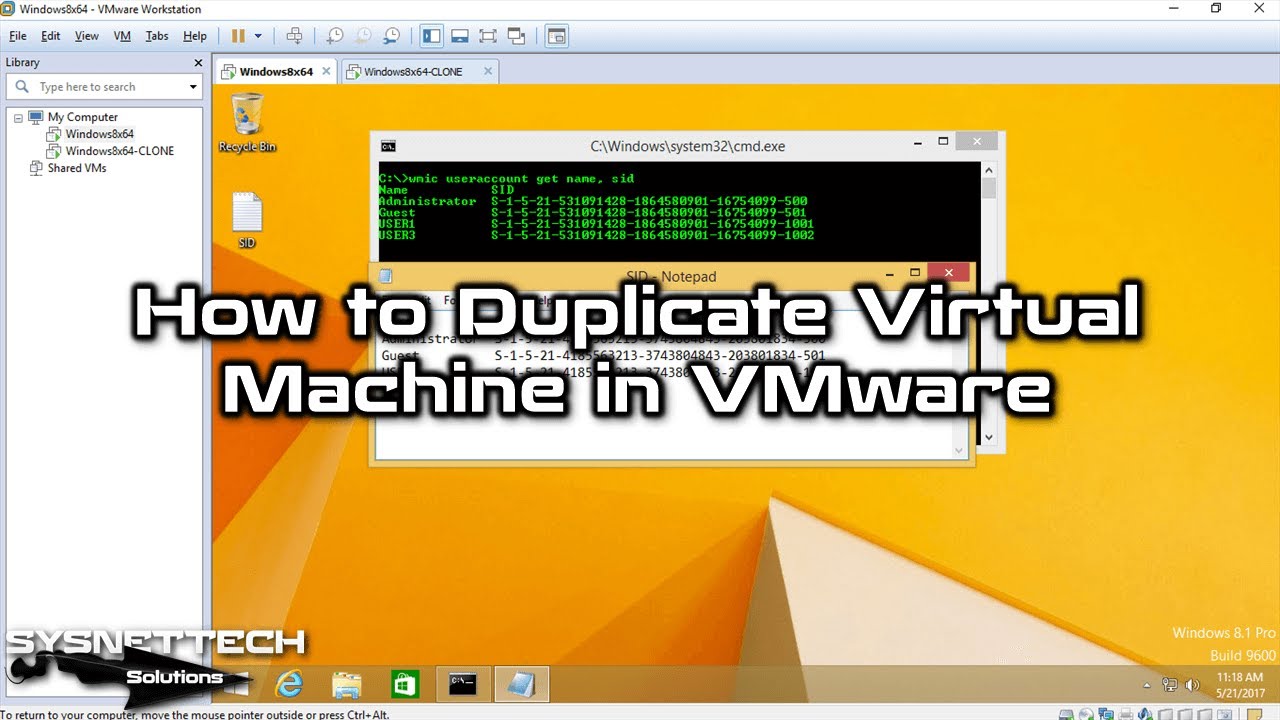
Before using Sysprep, let’s look at the user account SID numbers. You can find them in the operating system. Naturally, this information will change after this step.
First, to find the user SID numbers, execute the following command at the CMD prompt.
wmic useraccount get name, sidPress Windows + R to open the Run.

Step 2
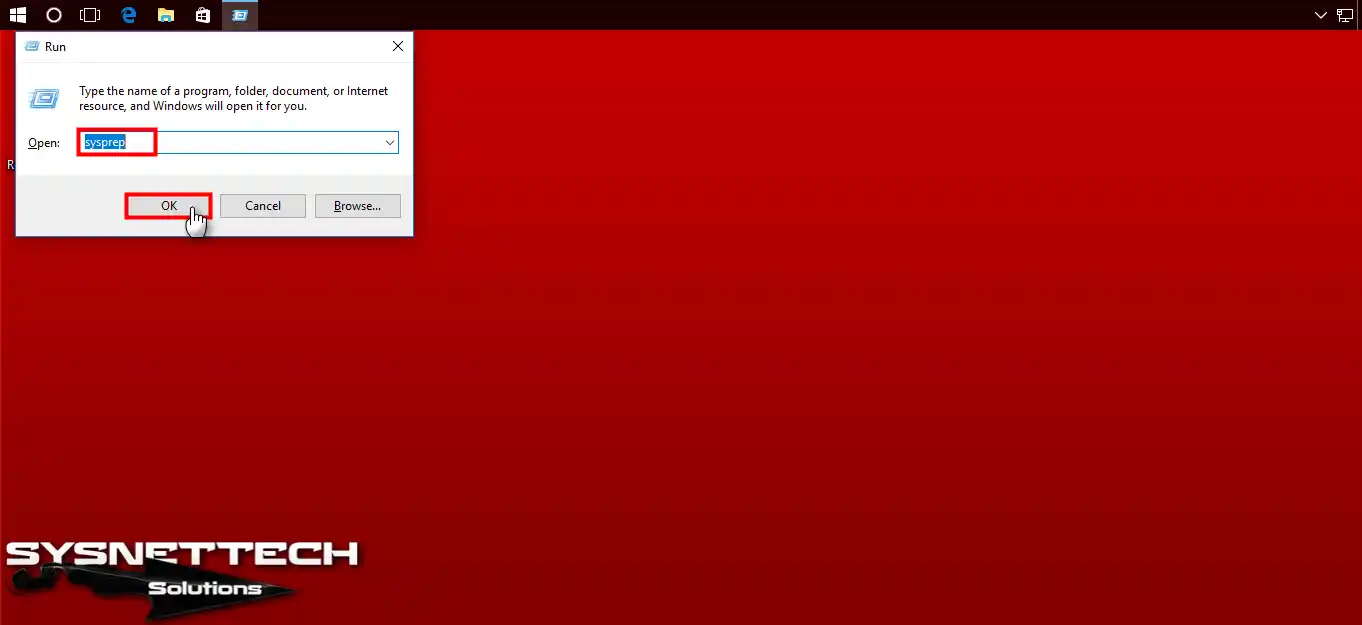
In the Run window, type Sysprep and press OK.
Step 3
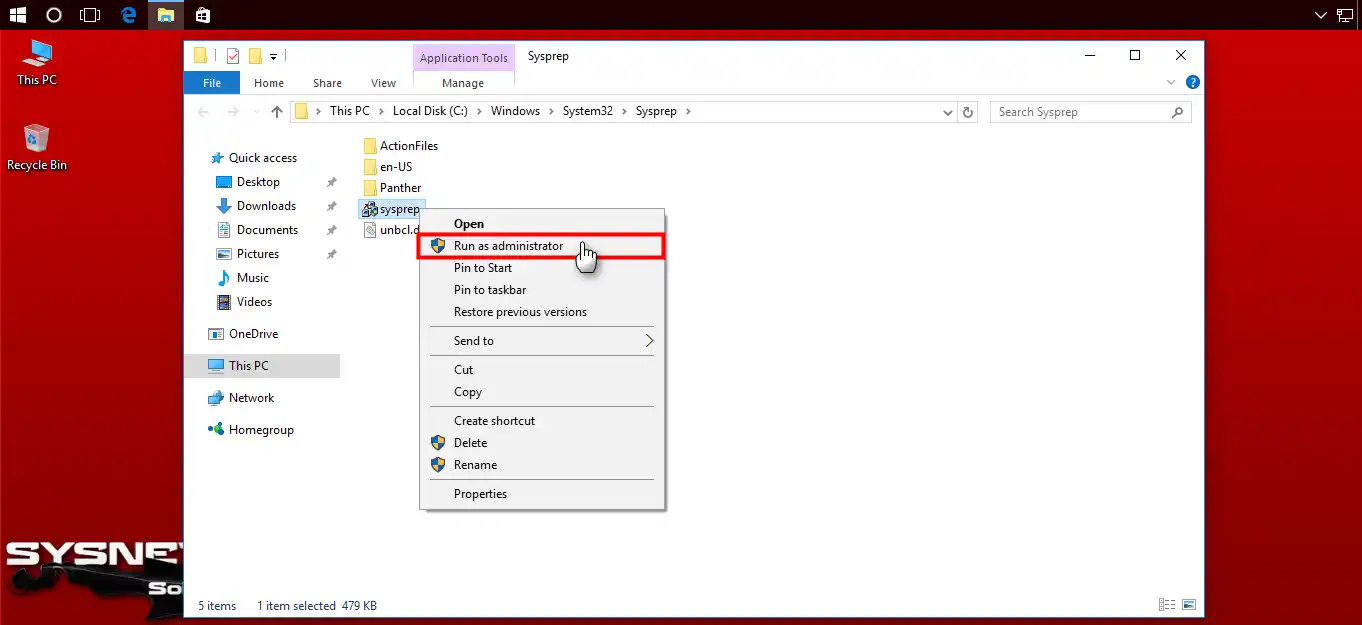
Open the OS imaging tool location. Then, run the program as an administrator.
Step 4
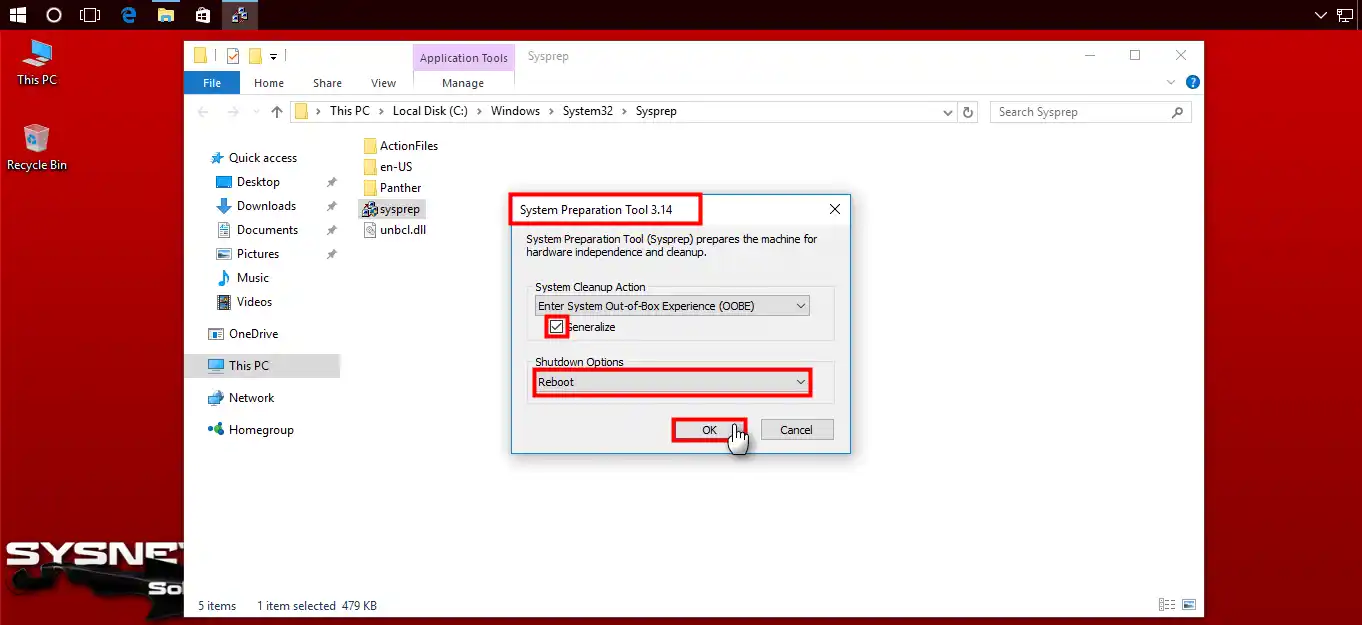
Once you open Sysprep (System Preparation Tool), select the Generalize option.
Then, continue by setting the Shutdown Options setting to Reboot.
Configuring Regional and Express Settings
Step 1
I recommend waiting a short while. The Deployment Tool prepares your OS.

Step 2
After you finish the process, your Microsoft system will restart itself.

Step 3
Wait while the system prepares devices.

Step 4
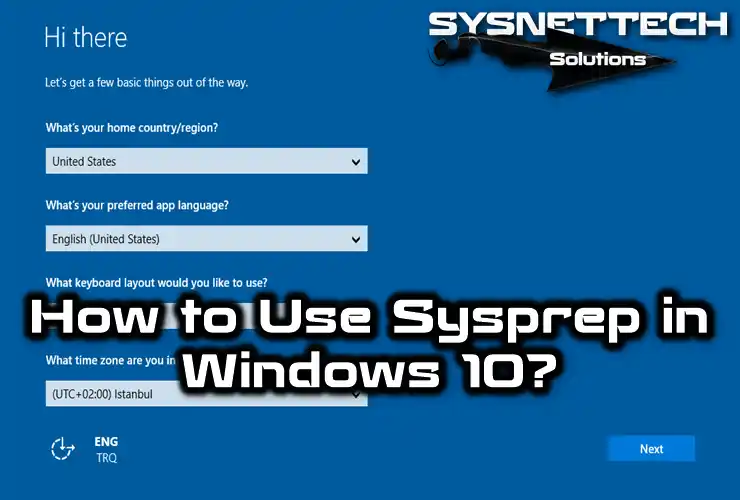
After setting the Country, Language, Keyboard, and Time zone, press Next.

Step 5
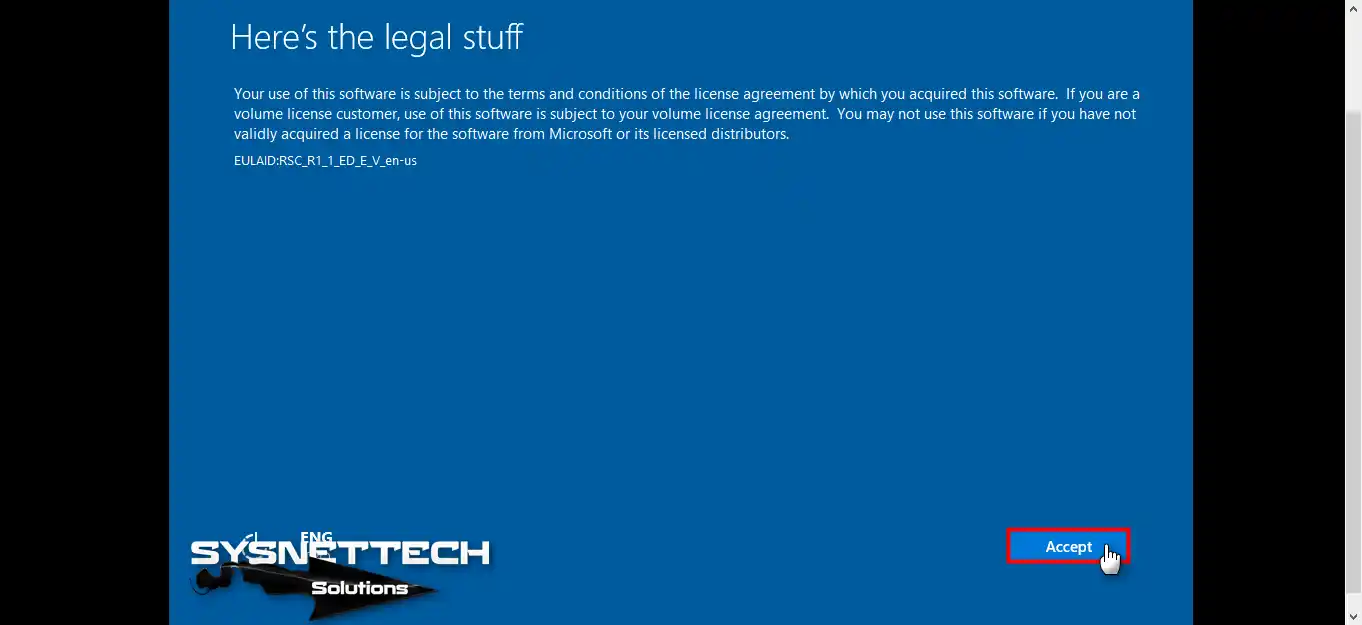
The wizard shows license information. Click Accept to continue.
Step 6
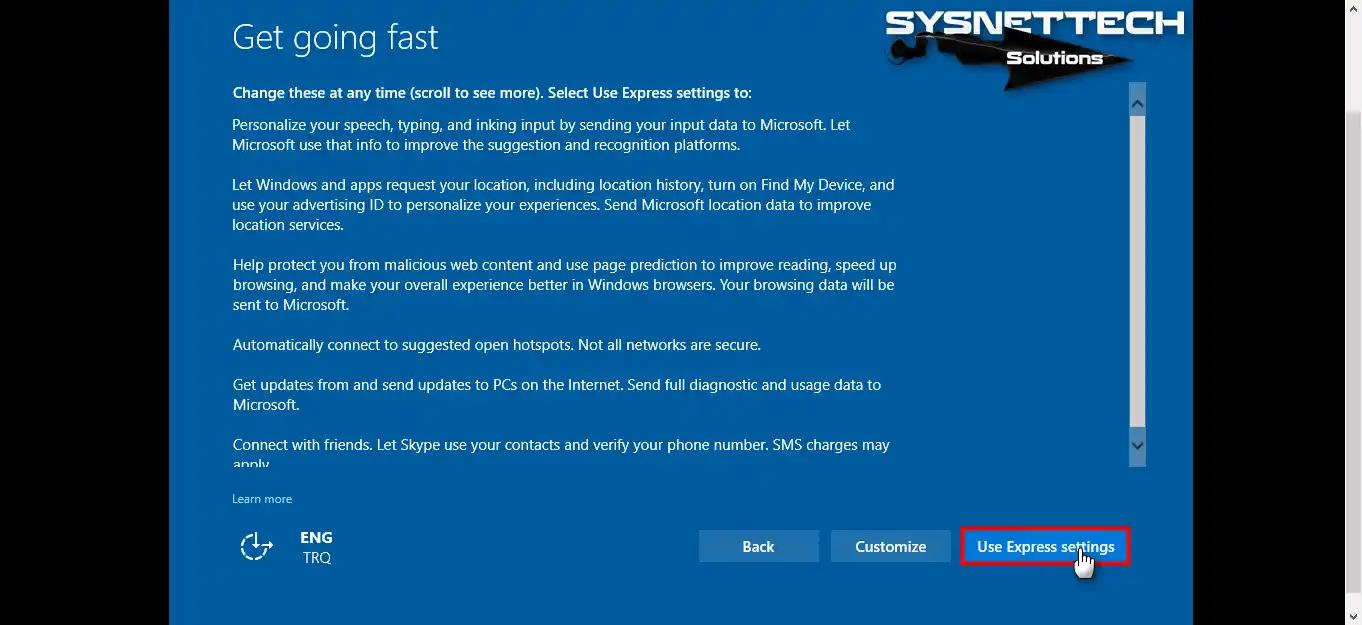
Continue by selecting Use Express Settings.
Step 7
Wait while the system prepares the Windows platform.

Creating Account and Cortana Setup
Step 1
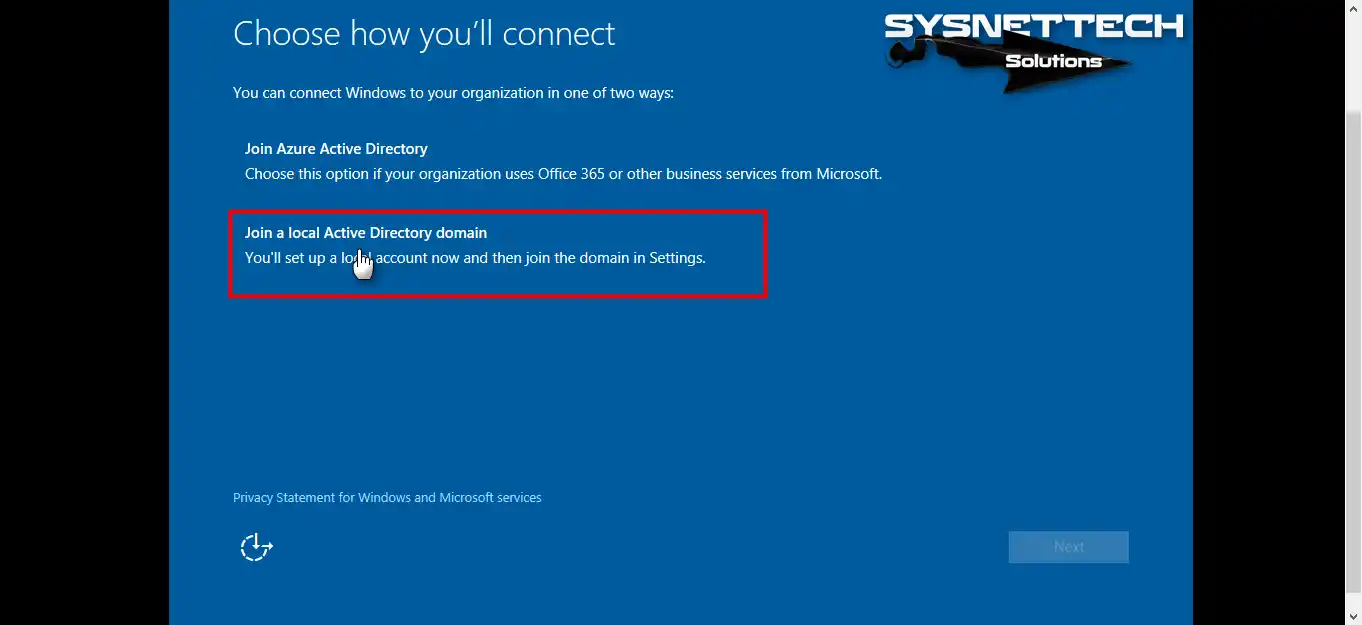
To open an account on a local domain, select the option below.
Step 2
In the Choose how you’ll connect window, click Next.

Step 3
Enter a new username for the system and click on the Next button.

Step 4
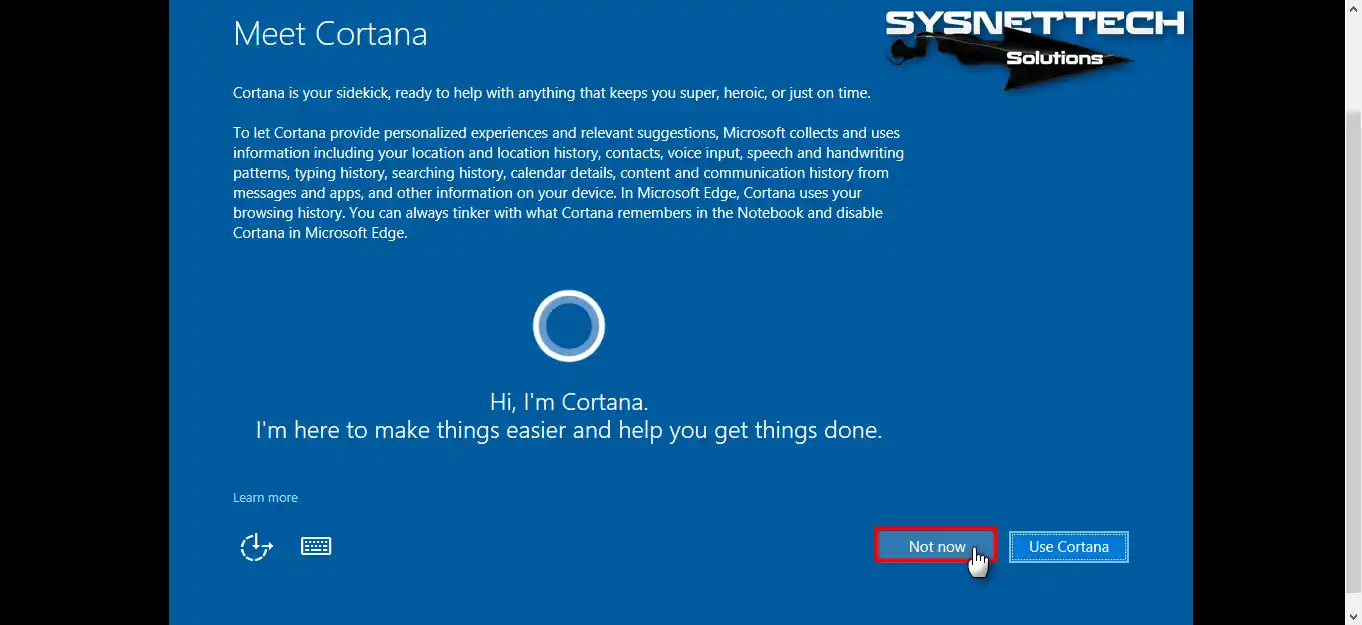
To accept Cortana, click Use Cortana. To bypass Cortana, click Not Now.
Step 5
Now, you see a welcome screen. It looks like a fresh OS installation.

Step 6
After your computer turns on, compare the SID numbers. You can see that they are different.

Step 2
Frequently Asked Questions About Sysprep
What is Sysprep and why should I use it?
What is SID? Why should I change it?
What should I pay attention to before running Sysprep?
What does the Generalize option do?
My computer restarts after Sysprep. Is that normal?
How do I deploy the image I created to other computers?
Conclusion
In this article, we examined how to configure Sysprep. You can create a Windows 10 custom image. Then, you can deploy it to other computers. Thanks for following us!

Be the first to share your comment